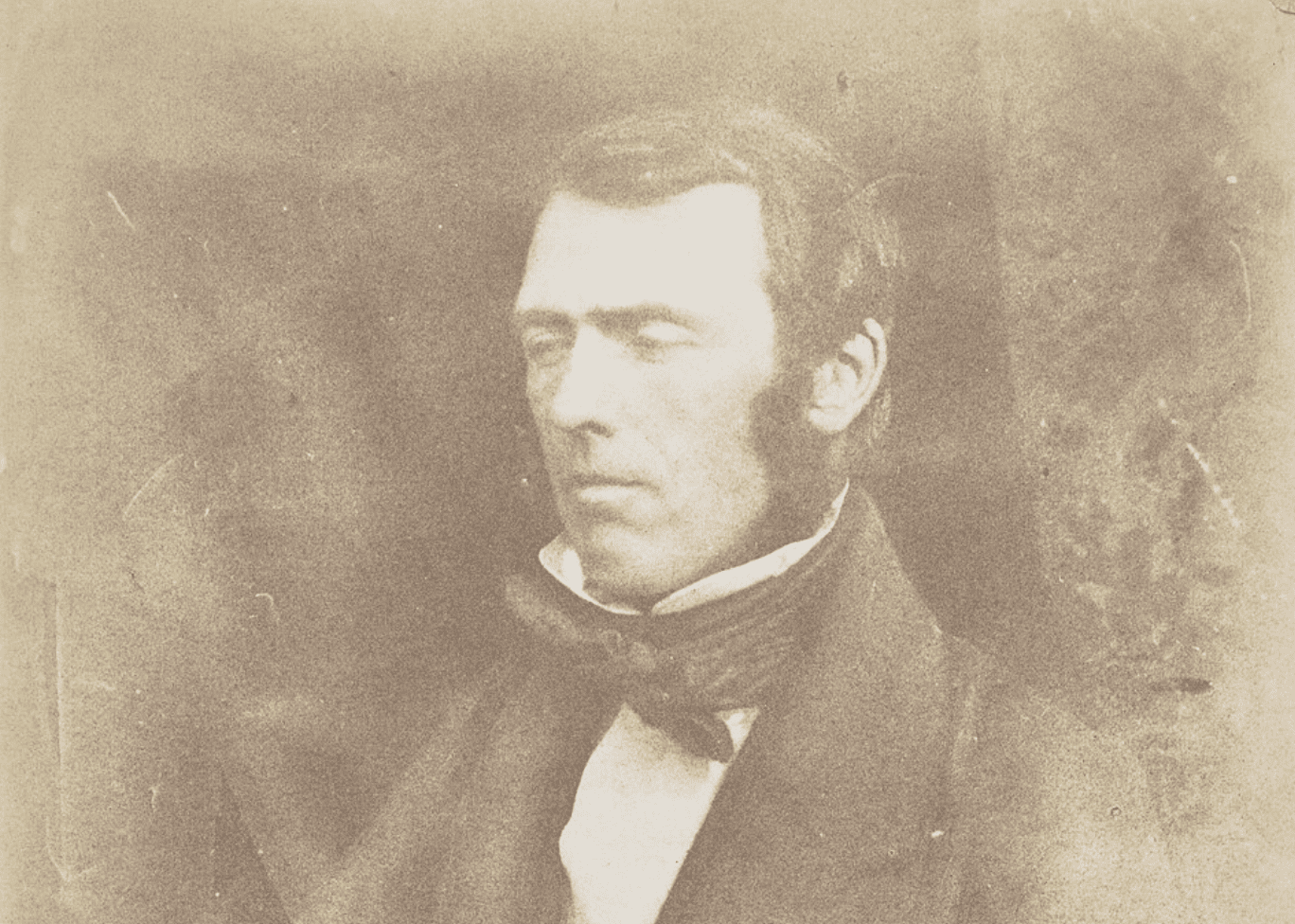

Edinburgh has been home to many gifted individuals. Besides great talent and intellect, these people have, throughout time, never shied away from doing good deeds. Regardless of their field, they generously shared their goodwill. More at iedinburgh.
One such figure was the famous Scottish lawyer, public figure, and philanthropist John Hope. This man was colossally wealthy, yet a significant part of his life was dedicated to improving the living conditions of the working class in Edinburgh. He preferred to act by providing educational opportunities and, of course, by promoting temperance.
Early Years and Education

John was born on 12 May 1807 in Edinburgh. He was educated at The Royal High School and later attended the University of Edinburgh. Interestingly, however, he never completed an academic degree.
As Hope’s father was a lawyer, it is not surprising that the young man also inherited a love for the law. He studied the subject and even worked in his father’s legal firm.
Good Deeds
From the early 1830s, John became actively involved in public and charitable activities. By that point, he had already become a wealthy man, thanks to his personal income and inherited fortune. Therefore, he could afford to perform generous acts.
Promoting Temperance
During the 1840s, Hope began to advocate for abstinence from alcohol, especially among the youth. In 1847, he even founded the British League of Juvenile Abstainers. It was under the aegis of this society that he began to organise and finance free evening classes for young workers. Furthermore, women could also attend these classes, which was unique for the time. Unfortunately, women’s right to education was severely restricted back then.
How Duncan Napier Received a Start in Life from Hope
The following fact is particularly interesting. The classes organised by Hope were attended by various people. Naturally, they were initially poor and not very literate. But, remarkably, with John’s help, many of them managed to achieve significant success.
One of them was Duncan Scott Napier. It is hard to imagine that this man, who gained fame as a Scottish botanist, was practically illiterate until his early teens.
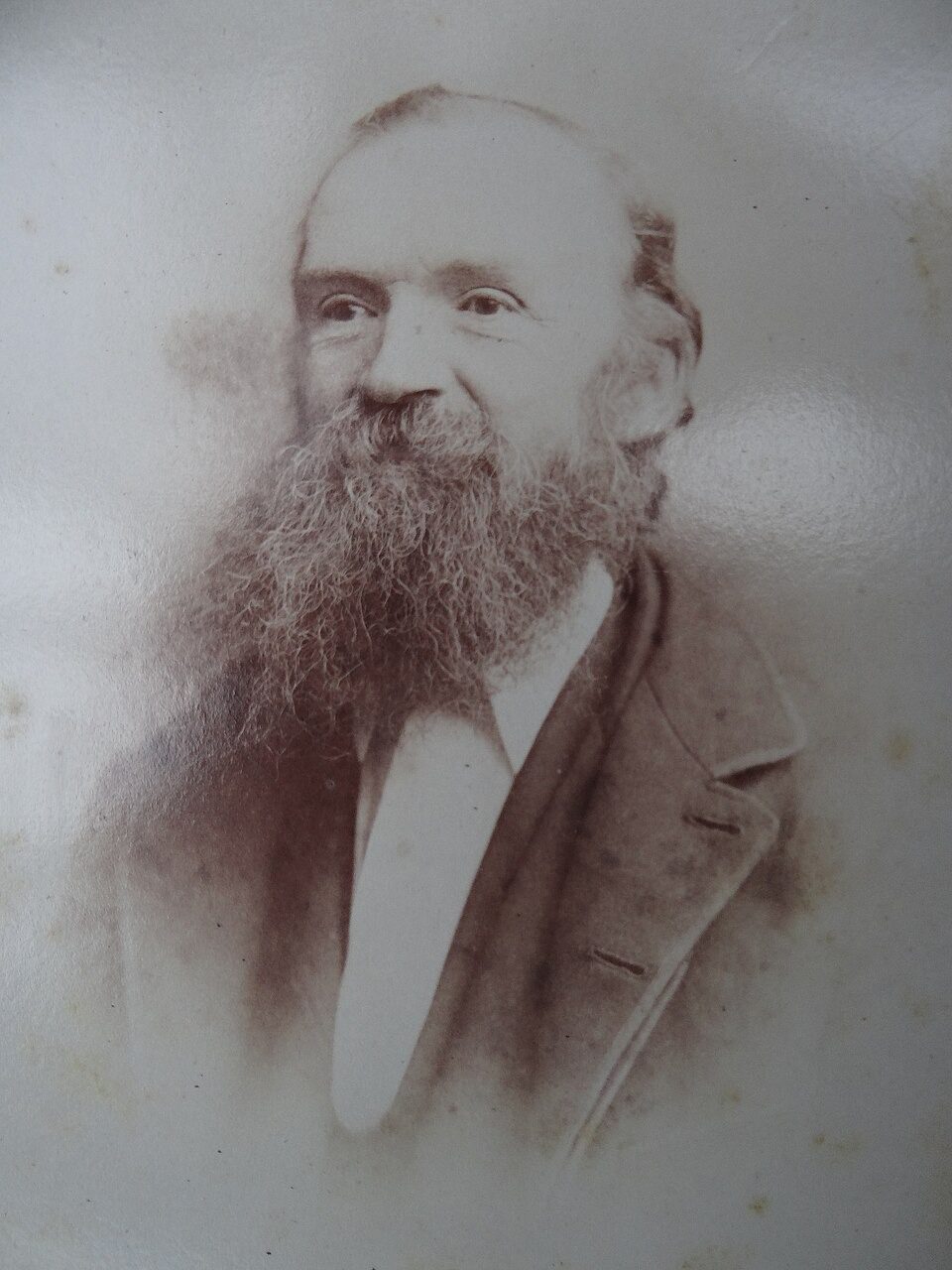
As mentioned, Hope used his classes to promote the idea of total abstinence from alcohol and education among the poorer strata of Edinburgh society. He was, therefore, genuinely struck by Napier’s situation. The boy could barely write, had never been to church, and drank beer instead of water.
But Duncan was fortunate to fall into the right hands at the right time, and John effectively became his mentor. It was Hope’s support, which included financial aid, that later allowed him to gain fame as a prominent botanist and inspired Napier to start a business.
Incidentally, Hope’s classes played such a colossal role in Duncan’s life that he abstained from alcohol and tobacco for the rest of his days.
Defender of the Church
When discussing Hope’s biography, it is important to note another cause that held great significance for him: the promotion of Protestantism. This went hand-in-hand with his opposition to anything that, in John’s opinion, advanced the Roman Catholic Church in Scotland. The start of these events was a surge of anti-Catholic sentiment across Great Britain.
Against this backdrop, Hope became involved in establishing the Scottish Reformation Society. This organisation proclaimed itself the “defender of British and Protestant liberties from the threat of Rome”.
In 1851, John even helped organise a series of lectures in Edinburgh, featuring speakers like John Cumming (a popular anti-Catholic preacher) and Richard Paul Blakeney (an Irish writer and clergyman).
Views on the Right to Vote
Overall, it must be said that John Hope was a deeply religious man and staunchly anti-Catholic. He actively promoted the extension of voting rights to Protestants. However, regarding Catholics, he argued that they should not be allowed to vote, as they were “not free to exercise the franchise, not being religiously free,” but were instead “subject to their bishop and the Pope”.
A New Role
A new phase in Hope’s career began in 1857 when he was elected to the Edinburgh Town Council. Although John’s political views aligned more with Conservatism, he identified as a social reformer, actively supporting projects aimed at improving the living and working conditions of the city’s poor.
Founding a Trust and the Battle for His Estate
When Hope died on 25 June 1893, as is common with the deaths of wealthy individuals, claimants to his vast fortune quickly emerged. However, John had bequeathed all his funds to The Hope Trust, a charitable foundation he had managed to establish three years before his death. Although some of Hope’s relatives later tried to contest the will in court, they ultimately only managed to secure a small fraction of the total sum.
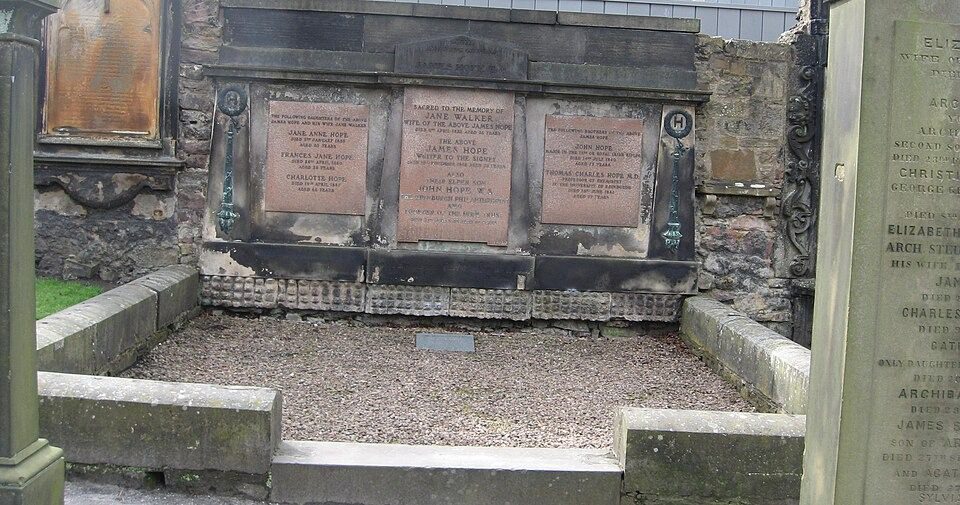
Thus, John Hope gained fame not only as a lawyer but also as a great philanthropist and patron. It seems his good deeds far surpassed his professional achievements.
Amazingly, The Hope Trust continues its work so many years after its founder’s death. It officially gained charitable status in 1912. The community’s main objectives are the promotion of temperance, the fight against substance abuse, and the support of the Reformed Church in Scotland.