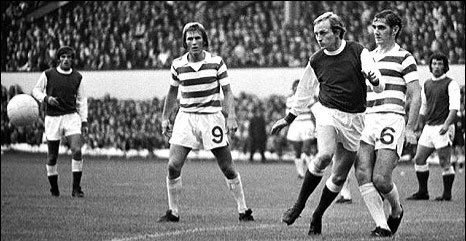

Edinburgh is a city that has produced a vast number of talents. Scientists, actors, singers, musicians, artists, architects, engineers, and, of course, athletes – all these individuals have become living embodiments of the ‘Edinburgh genius’. Each one of them admirably represents the field that became their profession.
In this article, readers can get to know Alan Gordon better. His career and successes are sure to interest true football fans, as the sportsman’s achievements are a testament to his immense love and selfless dedication to his craft. More at iedinburgh.
Early Years
The future footballer was born in Edinburgh. He received his education at George Heriot’s School.
In October 1961, a significant event occurred in the young man’s sporting career. He played for Heart of Midlothian against Rangers in the League Cup Final.
Although the match ended in a 1-1 draw, Alan experienced a true ‘baptism of fire’. This allowed him to gain his first taste of professional sport.
Club Moves and Choices
Between 1967 and 1968, Gordon played for Durban United in South Africa. Concurrently, he worked as a representative for the company Beare Brothers.
However, in 1969, Alan was transferred to Dundee United, which required the footballer to train with the team at Tannadice Park.
However, after Jim McLean was appointed manager of Dundee United, he introduced a rule stipulating that all club players must live in Tayside. This arrangement did not suit Gordon, as it conflicted with his personal interests in pursuing an accountancy education, for which he needed to remain in Edinburgh. Consequently, the footballer declined continued membership with Dundee United.
An Important Aside
Before continuing with the account of Gordon’s professional achievements as a footballer, it is fair to draw attention to the following.
Alan successfully combined the development of his sporting career with obtaining a serious education.
Indeed, after graduating from the University of Edinburgh, he received a Master of Arts degree in Economics. He also studied Spanish literature and philosophy.
Therefore, it cannot be said that all of Gordon’s activities were exclusively devoted to sport.
Furthermore, he chose economics (particularly accountancy) as another main focus in his life. After retiring from sport, he became a professional accountant. But more on that later.
A New Chapter with Hibernian
Thus, taking advantage of the fact that it was practical for Alan to remain in Edinburgh, Hibernian manager Eddie Turnbull paid a fee of £12,000 to sign the sportsman for the club.
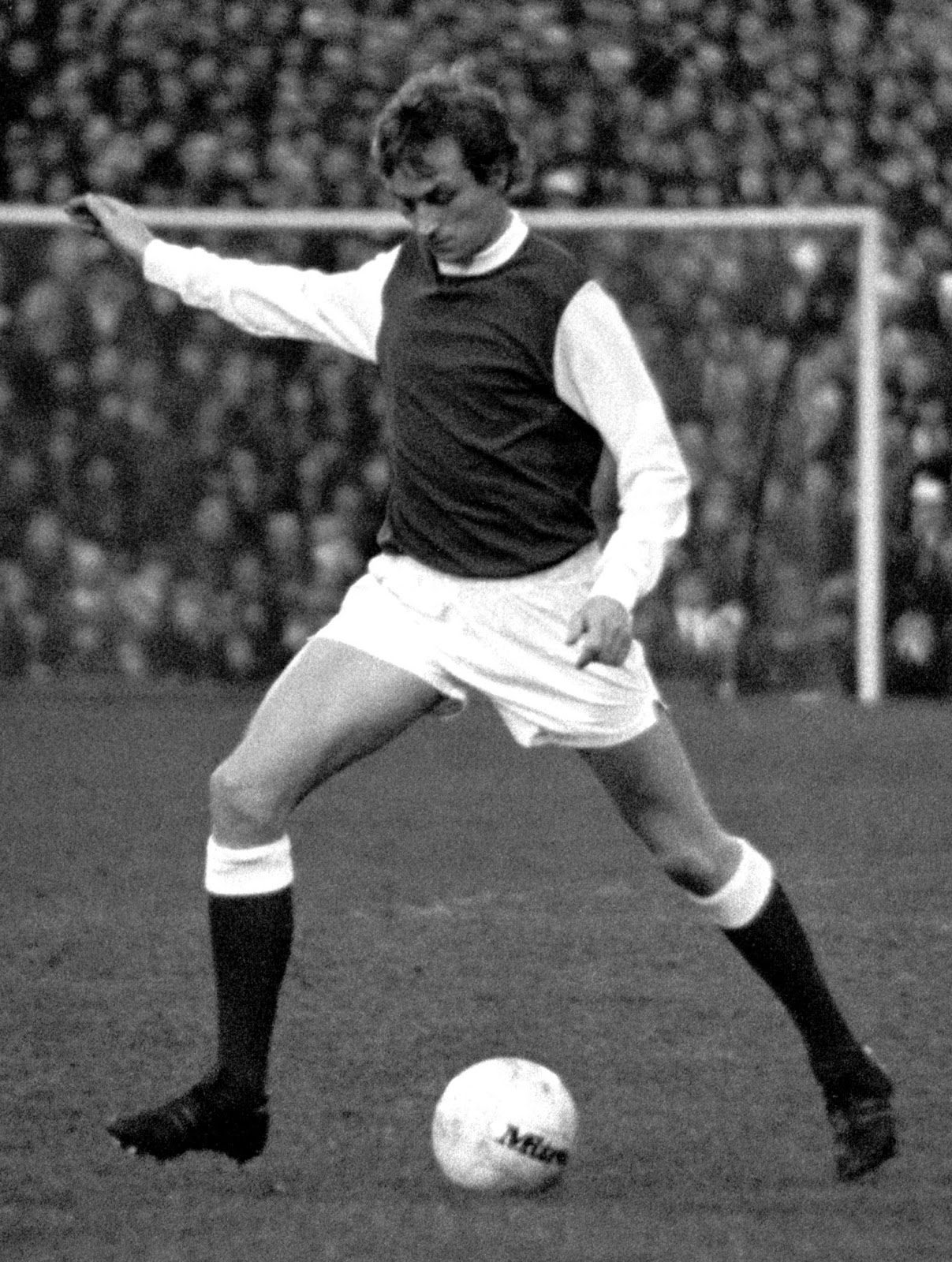
It must be said that this period in the footballer’s professional career was very bright. Notably, during the 1972-1973 season, he helped Hibernian win the League Cup and The Drybrough Cup. Moreover, Hibs successfully retained the latter trophy the following season.
Additionally, Alan was a prominent figure in one of the most memorable matches in the club’s history. This was the game played on 1 January 1973, when Gordon scored two goals in a resounding 7-0 victory for Hibernian.
End of an Era
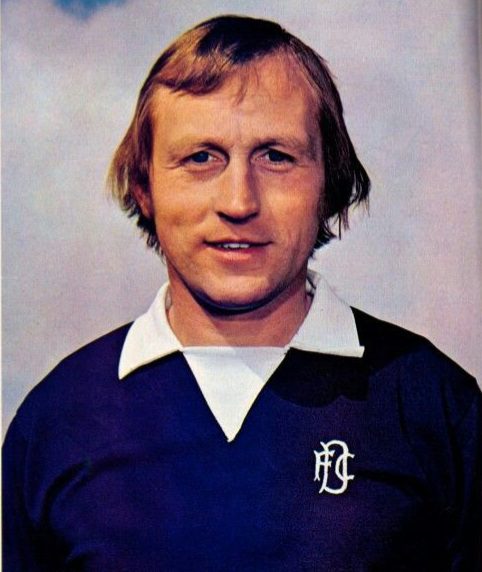
The year 1974 marked another transfer for Gordon, this time to Dundee F.C.
Unfortunately, the collaboration between ‘The Dark Blues’ (the nickname of the aforementioned football club) and Alan was very short-lived. In 1976, following a game decided on goal difference (which favoured the opposition), Alan decided not only to leave the club but also to end his football career. He was 32 years old at the time.
Other Fields
Given that Gordon’s sporting activities ended at a relatively young age, he returned to his accountancy background.
However, in the 1980s, sports fans heard his name again, this time as the host of the radio programme ‘Sportsbeat’. Alan also became a football reporter on television and radio.
Furthermore, the former footballer also took on an important role at one of the most prestigious educational institutions. For three years, Gordon served as an advisor to the Rector of the University of Edinburgh.
Sadly, the talented sportsman’s life was overshadowed by a terrible illness. On 18 February 2010, cancer claimed the life of the tall, fair-haired striker, as he was remembered by all football fans. He fought the illness for a long time, but unfortunately, it proved stronger.
Nevertheless, Alan Gordon’s contribution to the development of famous football clubs and sport as a whole is very important. The very fact that during his relatively short spell with Hibernian, Alan’s name became widely known and the club confidently secured leading positions, is the best proof of the sportsman’s talent. Indeed, every match he played demonstrated Gordon’s skill and enormous potential on the football pitch.
Furthermore, it is fair to say that Alan possessed a gift for analytical thinking. This not only later led him to accountancy but also significantly distinguished him from other athletes on the field. Perhaps herein lies one of the secrets to Alan Gordon’s ‘footballing success’.