
Edinburgh’s medical professionals have rightly been recognized among the finest representatives of science. Throughout the city’s history, they have consistently achieved remarkable results. Valuable research, significant observations, and groundbreaking surgeries—this is what defines their lives. More on iedinburgh.
However, among them are those fortunate enough to achieve global fame, significantly enriching the legacy of medical science with their contributions.
James Spence certainly belongs among such individuals. His career truly embodied the talent of this remarkable surgeon. His unwavering dedication demonstrated clearly that he had made the right choice when deciding his profession.
It’s also worth noting that Spence’s life was filled with fascinating events, creating a genuinely intriguing personal story. Of course, many prominent individuals share similar experiences. Typically, these personalities aren’t inclined to passively wait for opportunities. Instead, they actively shape their own world, continually seeking new knowledge and opportunities. Thus, their lives are rarely dull or monotonous.
James Spence exemplifies this perfectly. His biography reflects a genuine passion for his work, deep enthusiasm, and a sincere desire to improve the field of medicine. It’s fair to say that he succeeded exceptionally in this endeavour.
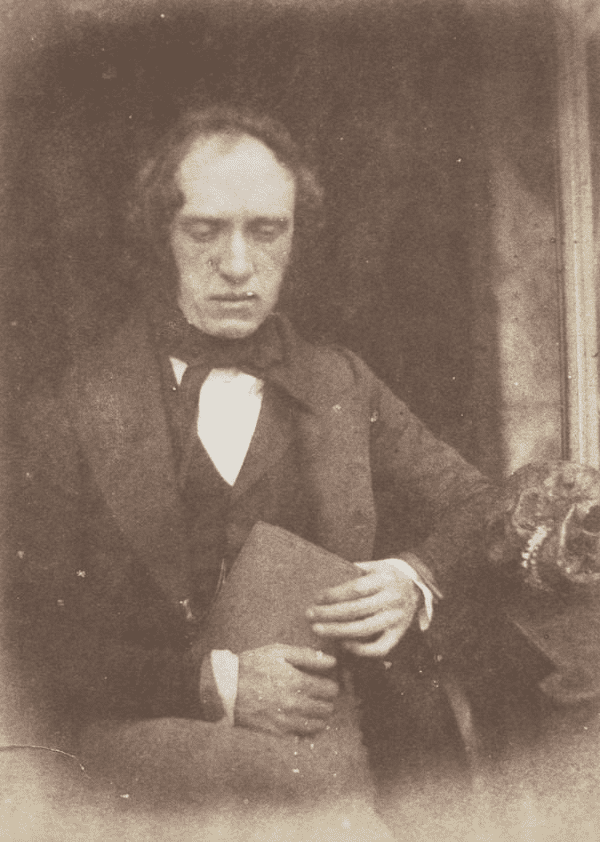
Early Life
The future surgeon was born on March 31, 1812, in Edinburgh. Interestingly, his father was a perfumer.
Thus, nothing in his early years suggested that James would eventually choose a medical profession.
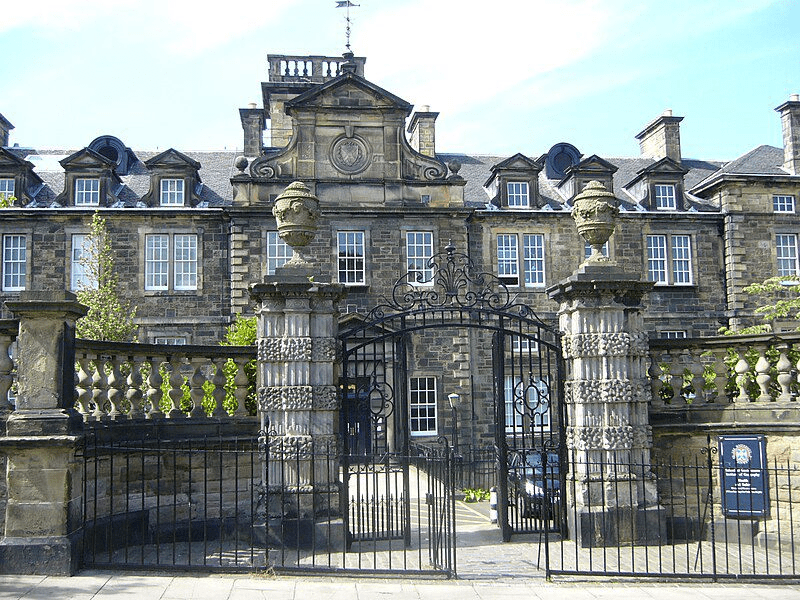
Spence’s educational journey began at institutions such as a boarding school in Galashiels and later at the prestigious Royal High School of Edinburgh.
Education
After completing school, James decided he would pursue medicine as his future career, becoming a student at the University of Edinburgh.
However, he soon joined an Edinburgh-based chemical company known as Messrs. Scott & Orr.
Yet this didn’t stop him from completing his medical education at the Edinburgh Extramural School of Medicine. In 1832, Spence successfully obtained his Licentiate diploma from the Royal College of Surgeons of Edinburgh.
First Experiences
In 1833, James made two journeys to Calcutta (since 2001—Kolkata). There, he briefly engaged in surgical practice. Eventually, however, he decided to return to his hometown of Edinburgh to pursue a teaching career.
Lecturing Career
By 1846, Spence had established himself as a renowned and talented lecturer. Every lecture he gave became a special event for his audience, frequently filling lecture halls to capacity.
When James officially became a Fellow of the Royal College of Surgeons of Edinburgh in 1849, his lectures reached new heights. He began teaching at Surgeons’ Square, later moving to the Extramural School of Medicine at Surgeons’ Hall.
New Position
The year 1850 brought significant changes to Spence’s practical work. He was appointed assistant surgeon at the Royal Infirmary of Edinburgh. Four years later, he was promoted to full-time surgeon, a position he held until his death.
A Productive Period
From 1852 onwards, new and equally significant events unfolded in Spence’s professional life. That year, he became a member of the Harveian Society of Edinburgh, later serving as its president in 1871.
In 1864, James experienced a significant advancement as a scientist when he was appointed Chair of Systematic Surgery at the University of Edinburgh.
In 1867, Spence became president of the Royal College of Surgeons of Edinburgh. Additionally, in 1866, he was honoured by being elected a Fellow of the Royal Society of Edinburgh.
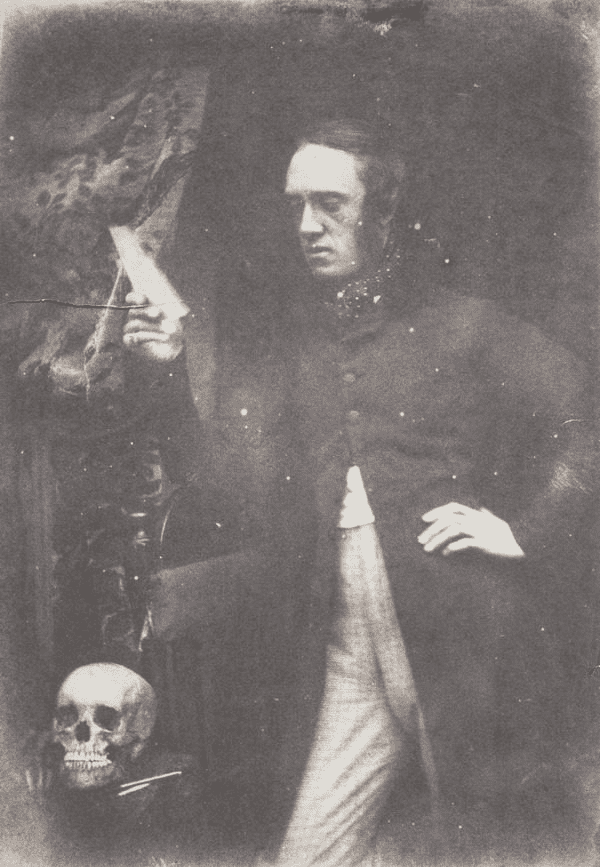
James Spence, therefore, is rightly recognized as one of Edinburgh’s most distinguished medical practitioners. His talent earned acknowledgment from authoritative communities and institutions. The practical side of his career consistently demonstrated his extensive knowledge and exceptional skill. Unsurprisingly, his memory remains alive even many years later.
His story continues to be shared with new generations of medical students at the university. Such figures serve as true role models, setting standards for everything around them. That’s why people aspire to be somewhat like them. It gives us the feeling of getting closer to genius.
Not to mention that these gifted individuals leave behind a valuable legacy in the form of numerous professional contributions. Articles, essays, monographs, textbooks, and personal observations—all these help many medical professionals achieve immortality in their fields.
James Spence is undoubtedly among these figures. Everything he accomplished in his lifetime still holds immense significance, even after so many years. Perhaps that’s why he continues to be remembered, and the people of Edinburgh remain rightfully proud that such an extraordinary person lived and worked in their city.