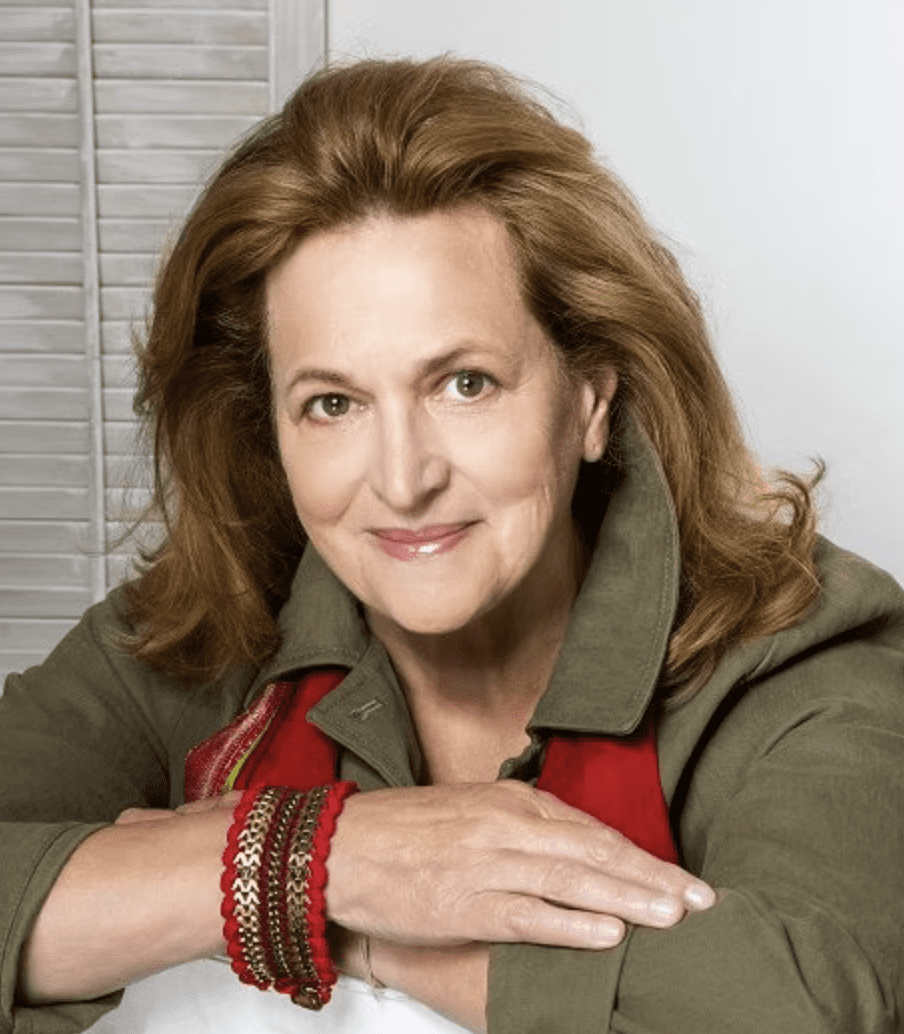

Barbara Dickson – a name that echoes with the soul of ancient Celtic ballads, interwoven with modern chords. Her voice holds warm notes, brimming with strength and tenderness, sometimes carrying that Northern melancholy only a true daughter of Scotland can convey. Born amidst the rain and winds of Fife, she managed to rise from small folk clubs to the bright lights of the West End stage without losing her inherent authenticity or human warmth. Read more on iedinburgh.
This article aims to take you on a complete journey through time, space, and music. We will uncover the details of Barbara’s incredible path from intimate British pubs to national recognition. Special attention will be paid to her deep-rooted ties to the ‘Athens of the North’ (Edinburgh).
The Voice is Born
The story of one of Scotland’s greatest singers, Barbara Ruth Dickson, begins on 27 September 1947, in the town of Dunfermline, Fife. Her childhood unfolded amidst the lovely scenery of Rosyth, where her father worked as a cook on a tugboat. Her mother, originally from Liverpool, brought a piece of English gentleness to the family. Music accompanied the future singer almost from her first steps: by the age of five, young Barbara had begun to learn the piano, and by twelve, the guitar became her faithful companion. The family soon returned to the place of her birth. Here, at school, the girl met her mentor, Sandy Saddler.
Her teenage years offered the chance to perform within the walls of local folk clubs. These were the so-called ‘floor spots’ – short sets during which young artists introduced themselves to a small audience. Upon turning seventeen, filled with ambition, she took a decisive step: she left school to move to Edinburgh. By day, she diligently performed her duties as a civil servant at the Registry, but by night, she transformed into a captivating singer. This creative whirlwind gave her the opportunity to collaborate with musicians whose names would later become legendary: Archie Fisher, Gerry Rafferty, and Rab Noakes.
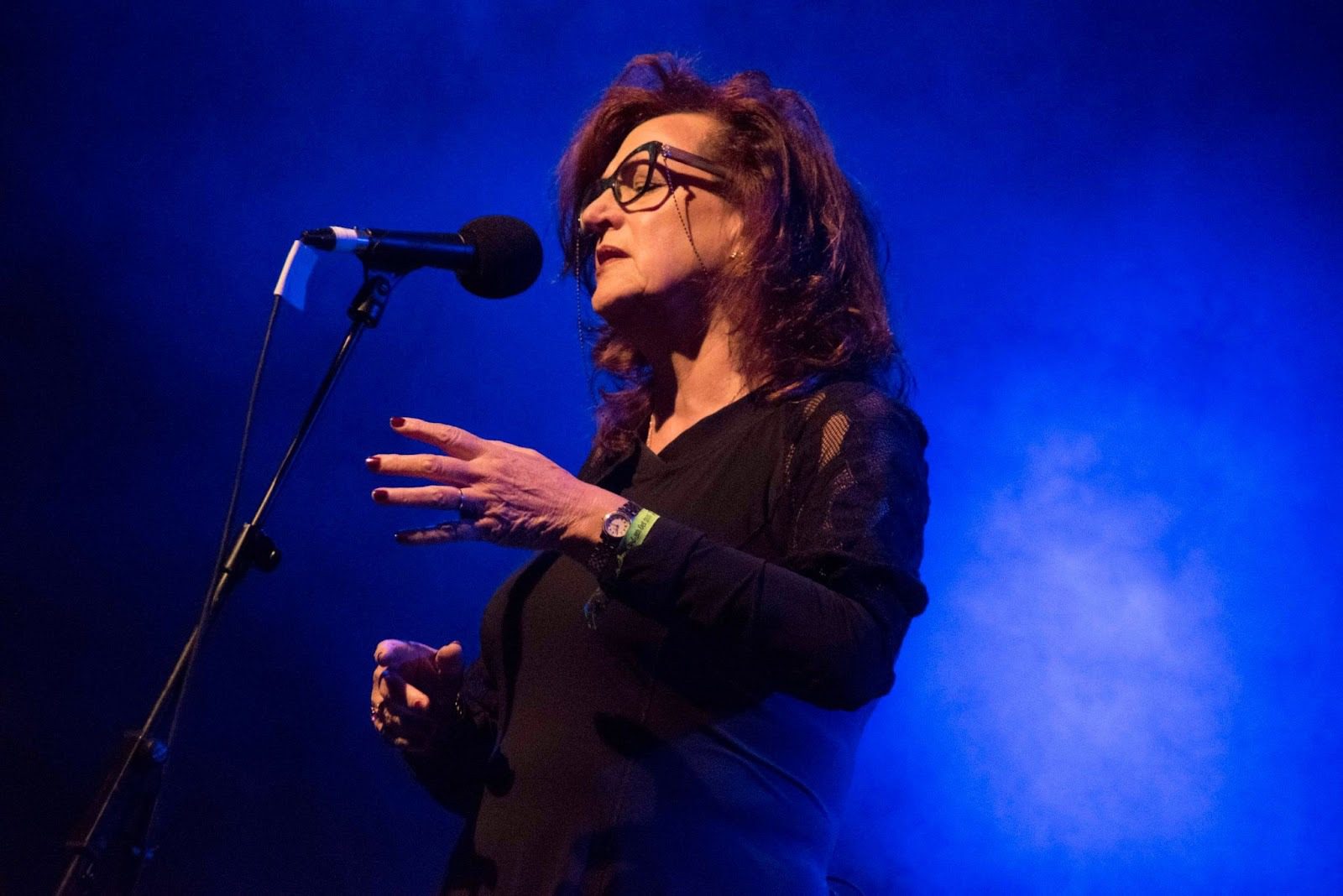
However, juggling two completely different worlds became increasingly difficult. The turning point came in 1968. That year, management refused to grant the Scot leave for an overseas musical performance. Barbara resigned, decisively choosing the uncertain, yet desired, path.
An Era of Triumph
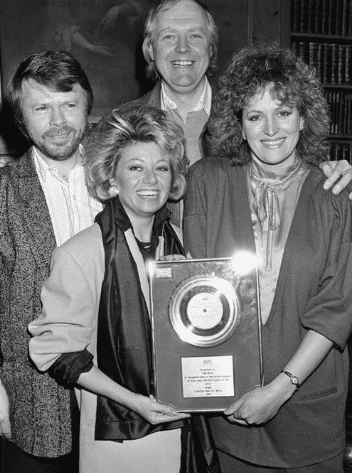
Her breakthrough role came with the musical ‘John, Paul, George, Ringo … and Bert’ by Willy Russell, which premiered in Liverpool in 1974. The show’s overwhelming success led the artist to the stages of London’s West End, where her melodious voice caught the ear of influential impresario Robert Stigwood. He offered her a contract with the RSO Records label—a direct ticket to the world of big showbiz. By 1976, her single “Answer Me” soared up the UK charts, and regular appearances on the popular television show ‘The Two Ronnies’ fully introduced her image to millions of viewers. A string of hits followed, including the poignant “Another Suitcase in Another Hall” (from the musical ‘Evita’), “Caravan Song,” and “January February.” The culmination of this period was the release of ‘The Barbara Dickson Album’ (1980), which later achieved Platinum status.
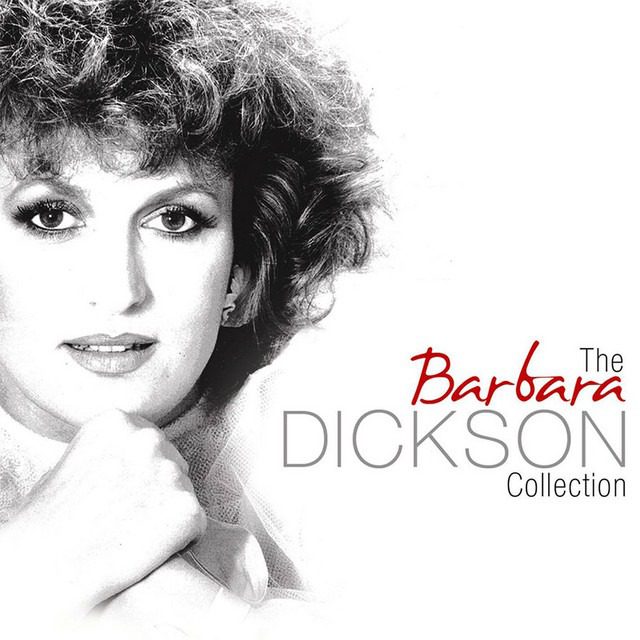
New doors opened in musical theatre. In 1983, she brilliantly played the character of Mrs. Johnstone in ‘Blood Brothers,’ for which she was honoured with the prestigious Laurence Olivier Award for Best Actress. The following year was marked by a repeat chart-topping success. The duet “I Know Him So Well,” recorded with Elaine Paige for the concept album ‘Chess,’ became a genuine phenomenon. The track held its high-ranking position for weeks. Concurrently, she continued to feature in television projects.
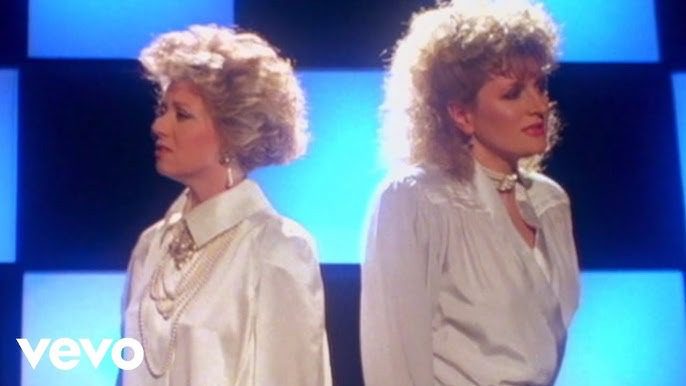
The dawn of the 1990s brought a creative maturity to Ms. Dickson’s work. She consciously stepped away from mainstream pop music, returning to folk and acoustic sounds. This was vividly symbolized by her collection of Bob Dylan covers, ‘Don’t Think Twice It’s All Right’ (1992), and the albums ‘Parcel of Rogues’ and ‘Dark End of the Street.’ Her presence also extended to popular television dramas such as ‘Taggart’ and ‘Band of Gold.’
Accolades and Recognition
Her long-standing dedication to the arts did not go unnoticed by official bodies. In 2002, Barbara Ruth Dickson was awarded the Order of the British Empire (OBE) for her outstanding creative achievements. Her status as Scotland’s most-decorated female singer, confirmed by a record number of gold and platinum albums, was immortalized by her induction into the Scottish Traditional Music Hall of Fame. Her collection of honours was further enriched by being named an Honorary Fellow of Liverpool John Moores University and receiving the Variety Club of Scotland Award (2016). Despite all the accolades, the heart of the Dunfermline native’s work remains her live performances. Through them, the artist continues to build a trusting rapport with the audience, who consistently enjoy all her released singles.