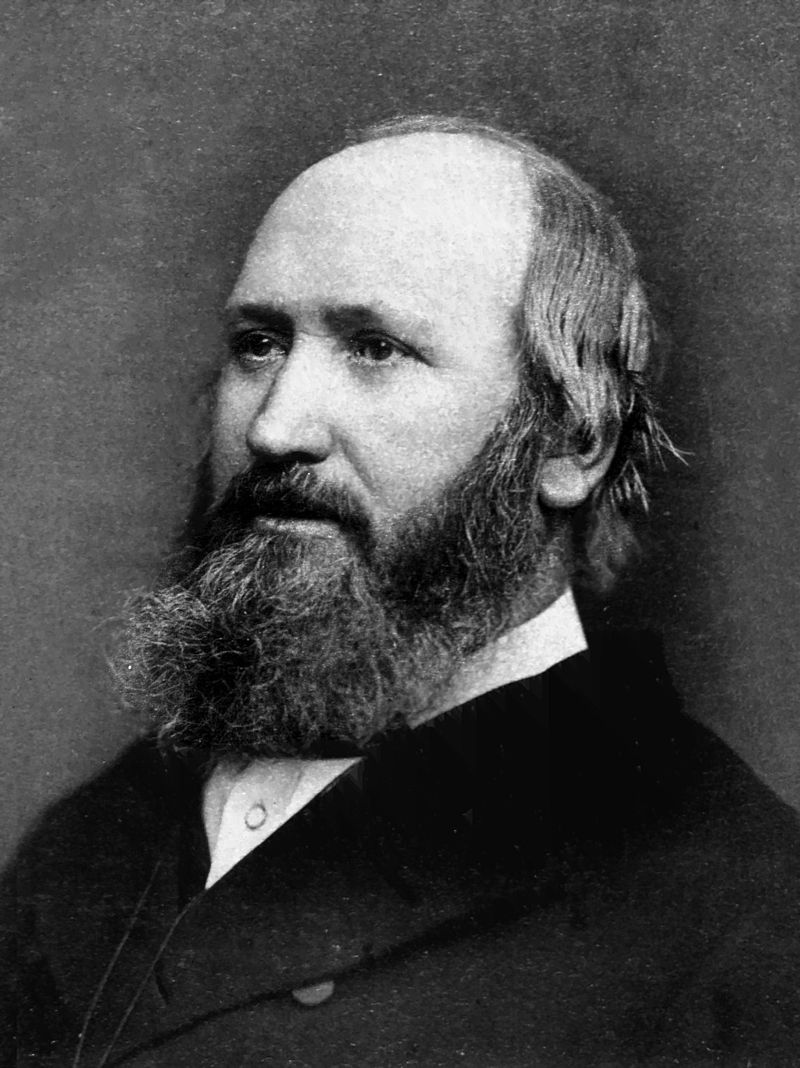

Edinburgh is a city that has gifted the world numerous outstanding figures. Among them, scientists arguably account for the lion’s share. Thanks to the developments, inventions, and research of these individuals, science has been able to reach new levels of development and achieve significant results.
Iedinburgh.info has more.
Alexander Wood can rightly be counted among the most successful and distinguished figures to emerge from Edinburgh. In the scientific community, he is remembered as a talented Scottish physician. He is credited with the invention of the first true hypodermic syringe.
Wood’s life and professional journey contain many interesting facts, as his biography attests. Readers now have a unique opportunity to see this for themselves by reading this article.
Early Years
The future physician was born on 10 December 1817 in Cupar.
However, in 1825, young Alexander moved with his parents to Edinburgh. It was there that the boy took his first steps towards education. The first educational institution Wood attended was the Edinburgh Academy. He then became a student at the University of Edinburgh, where he studied medicine.
Beginning of Practice
After qualifying, the young man began working at the Stockbridge dispensary. By 1840, he was engaged in a full surgical practice.
Soon, teaching activities were added to his regular medical duties. In 1841, Alexander became a lecturer at the Edinburgh Extramural School of Medicine, where he taught medicine. The year 1845 marked Wood’s election as a member of the Harveian Society of Edinburgh, which he went on to lead as President in 1868.
An Important Invention
However, when discussing Wood’s achievements, it is worth mentioning not only his medical practice and teaching activities. He succeeded in inventing something that gained immense significance and importance in medical science.
In 1853, Alexander created the first hypodermic needle, utilising a true syringe and a hollow needle for this purpose.
Moreover, an interesting story surrounds the naming of Wood’s invention. Alexander himself called his creation a ‘hypodermic syringe’. However, the term ‘hypodermic injection’ had initially appeared thanks to the English physician Charles Hunter. But Wood was reportedly irritated by Hunter’s research findings on methods of pain relief.
This was because, in Alexander’s opinion, the injection needed to be administered precisely in the area where the patient felt pain. He explained this by arguing that the effect was purely local. Hunter, on the other hand, maintained that the injection site was irrelevant, as the general, or systemic, effect was what mattered.
As for the medical community, its representatives tended to support Hunter. However, Wood is better remembered today, largely thanks to his invention.
The Creation Process
Explaining Wood’s process for creating the aforementioned syringe, his son-in-law and biographer, the Rev. Thomas Brown, stated that Alexander decided to model it on a bee’s sting. Interestingly, Brown also wrote that Wood initially used this new hypodermic method solely for administering morphine and opium.
Senior Positions
Returning to Wood’s activities, special attention should be paid to the fact that his achievements were highly valued in the scientific community. Consequently, he was entrusted with quite senior and important posts. Notably, in 1858, Wood was elected President of the Royal College of Physicians of Edinburgh.
And in 1863, he became a Fellow of the Royal Society of Edinburgh.
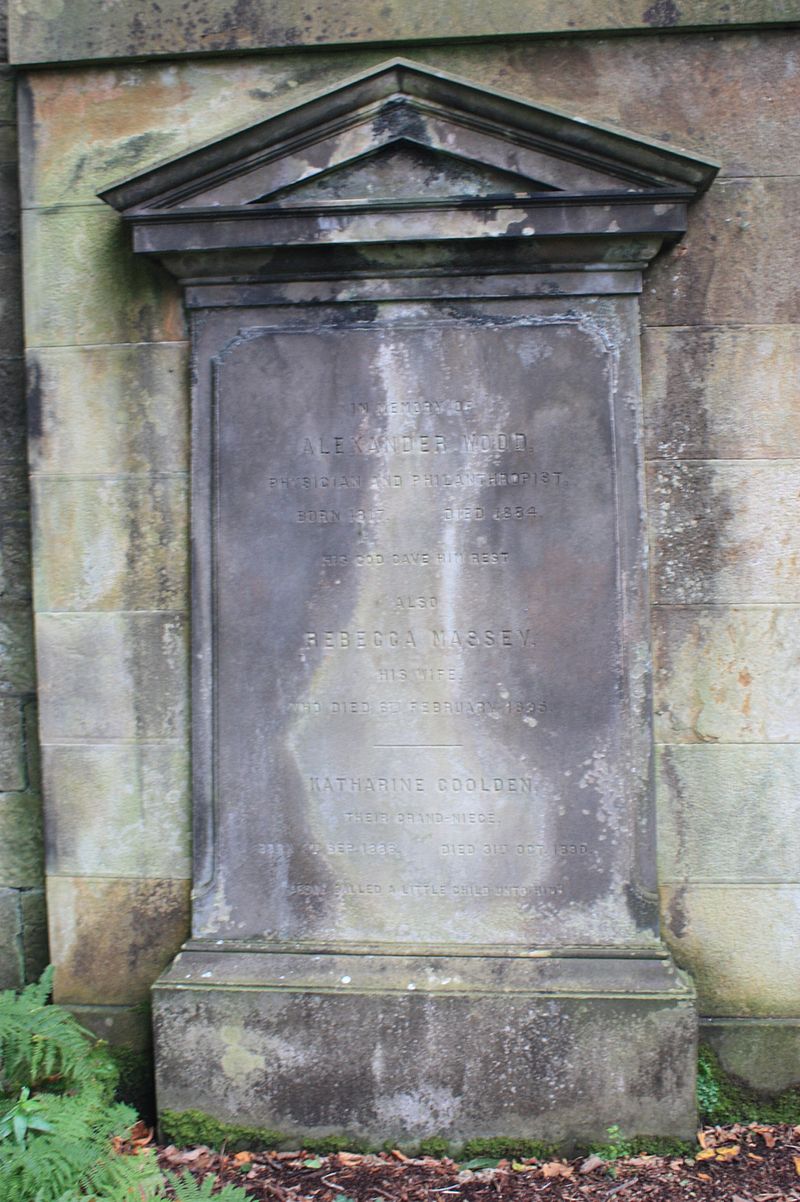
Alexander Wood’s earthly journey ended on 26 February 1884. The renowned physician and scientist is buried in Dean Cemetery in Edinburgh.