
Edinburgh has given the world many outstanding representatives of medical science. Many of them not only became successful physicians but also significantly contributed to the development of medicine. Throughout Edinburgh’s history, there have always been plenty of innovators among its medical professionals. These individuals proposed unique ideas and solutions that helped overcome longstanding barriers to the advancement of medical theory and practice.
Iedinburgh shares more.
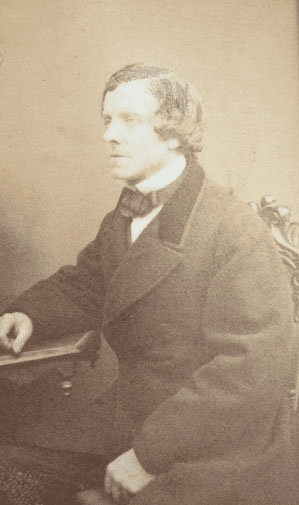
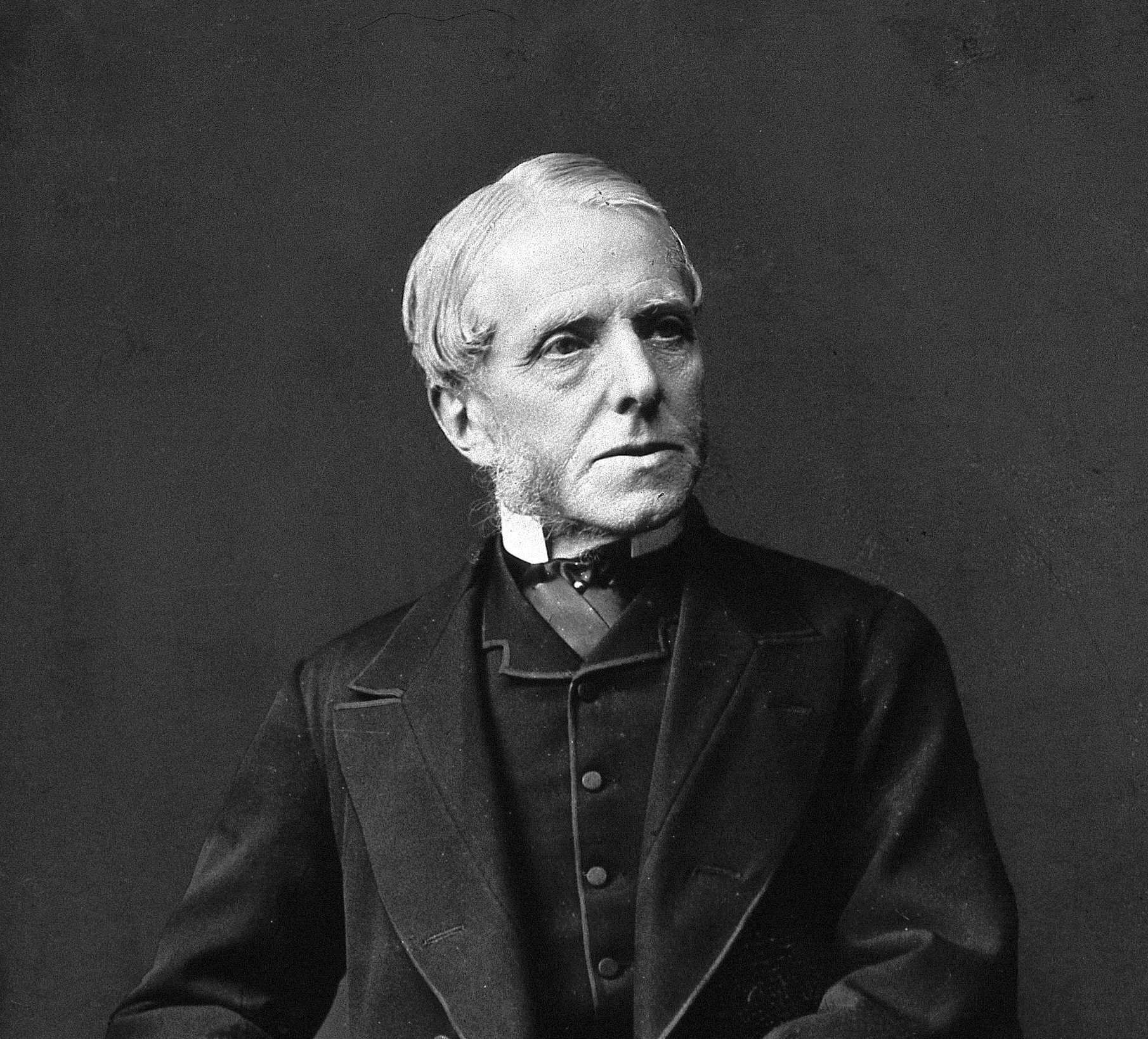
One remarkable figure in Edinburgh’s medical community is undoubtedly Sir Henry Duncan Littlejohn. He was a renowned surgeon and forensic expert. Equally significant is the fact that he became one of the inspirations behind the legendary character Sherlock Holmes.
Early years
The future doctor was born in Edinburgh in 1826.
Henry’s educational journey began at Perth Academy, after which he transferred to Edinburgh’s Royal High School.
Determined to dedicate his life to medicine, Henry enrolled at the University of Edinburgh, where he studied diligently. He quickly established himself as a promising and successful student. His efforts were rewarded when he graduated with honours in 1847, receiving his medical degree.
Contributions to Public Health
Interestingly, Littlejohn became the first person appointed as Medical Officer of Health. Holding this post from 1862 to 1908, he significantly contributed to advancing medical practices in Edinburgh.
In particular, he introduced important improvements in sanitation standards. Additionally, Henry advocated legislation requiring compulsory reporting of infectious diseases.
Other achievements
It’s also worth mentioning that beyond purely medical accomplishments, Littlejohn made considerable contributions to the social sphere.
He played a pivotal role in developing the public health movement in Edinburgh and improving city administration. Furthermore, he was instrumental in establishing the Royal Hospital for Sick Children in Edinburgh.
Connections to the Law
Littlejohn’s professional activities were closely intertwined with the field of law.
Serving as police surgeon, he effectively performed the role of Crown medical advisor for criminal matters in Scotland. Moreover, he was frequently invited to give expert testimony during legal proceedings.
Important positions held
Henry Littlejohn had a very successful career, occupying several important positions and gaining significant respect within society.
For nine years, he served on the board of the Royal Infirmary of Edinburgh. From 1875 to 1876, he presided over the Royal College of Surgeons of Edinburgh. In 1883, he became president of the Edinburgh Medico-Chirurgical Society, a position he held until 1885.
In 1893, he headed the Royal Institute of Public Health.
Teaching career
Littlejohn was also actively engaged in teaching. He lectured at the Royal College of Surgeons in Edinburgh. In 1897, he took up a position teaching medical jurisprudence at the University of Edinburgh.
Inspiration for a Legendary Character
As previously mentioned, Sherlock Holmes contributed significantly to Littlejohn’s fame.
The fact is, when creating Sherlock Holmes, Sir Arthur Conan Doyle drew inspiration from Littlejohn. While Joseph Bell is commonly considered the primary inspiration for Holmes, Henry Littlejohn’s role was nonetheless significant.
Littlejohn was often involved in police investigations, some alongside Joseph Bell himself.
Moreover, Henry taught forensic medicine to Conan Doyle, who studied at the medical school of the University of Edinburgh.
Littlejohn’s life came to an end in 1914. The renowned Edinburgh surgeon was laid to rest in Dean Cemetery, Edinburgh.