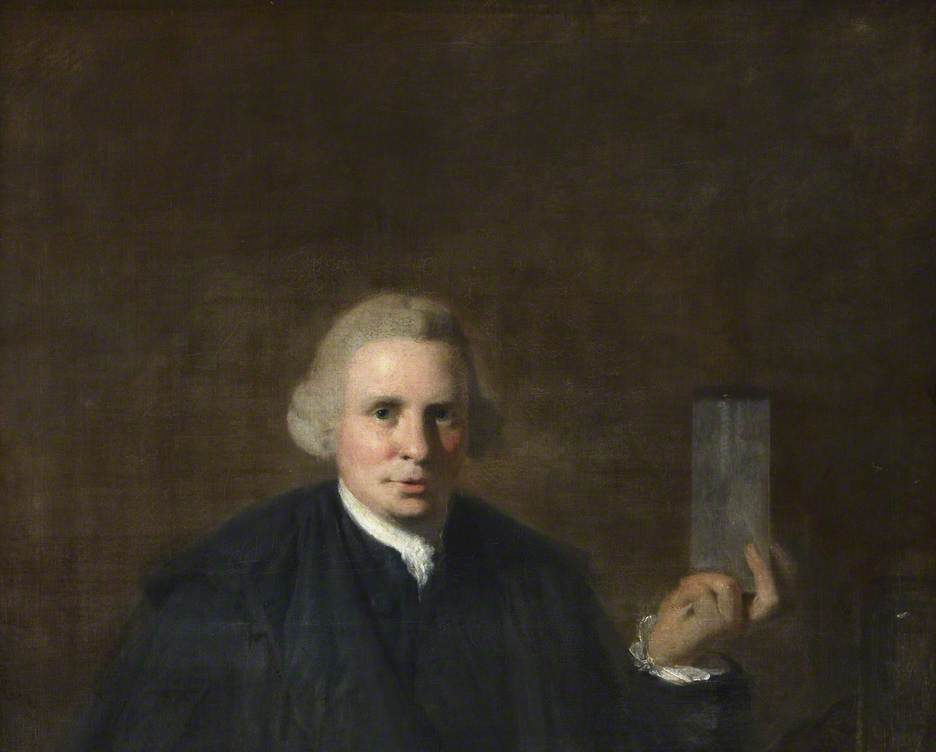

Alexander Monro went down in medical history as an anatomist, physician, and educator. He belonged to the distinguished Monro family of physicians. To distinguish himself from other medical professionals in his family, Alexander appended the numeral “secundus” (Latin for “the second”) to his name.
Iedinburgh shares more.
Alexander was an exceptionally talented doctor who made significant contributions to medicine. In particular, he thoroughly documented the lymphatic, nervous, and musculoskeletal systems. He was also instrumental in introducing clinical medicine into the educational curriculum. Moreover, it was Monro who demonstrated the fixed volume of cranial contents. But first things first.
Early Life
Alexander was born on May 20, 1733, in Edinburgh. Along with his brothers, he studied Latin and Greek, and from an early age showed signs of exceptional ability.
Seeing his son’s talent, his father desired Alexander to become his successor. Therefore, he sent Alexander to study at the University of Edinburgh. At the time of admission, Alexander was only twelve, and before beginning his specialized medical studies, he had to complete a general philosophy course.
A Curious Mind
Anatomy particularly fascinated young Monro. Therefore, when he enrolled as a medical student at eighteen, he immediately became very useful to his father in his anatomy laboratory.
Alexander possessed an extremely inquisitive mind and was truly thirsty for medical knowledge. He attended scientific lectures with great enthusiasm.
Further Development
Monro earned his doctoral degree on October 20, 1755, and shortly thereafter went abroad to continue his education. En route, he stopped briefly in London to attend lectures by William Hunter.
Then he travelled to Paris, and on September 17, 1757, enrolled at Leiden University, where he befriended well-known anatomists Petrus Camper and Bernhard Siegfried Albinus.
However, it’s important to note that in early 1757, Alexander briefly returned to Edinburgh to take over his father’s duties, as his father was unable to leave home due to illness.
It wasn’t until May 2, 1758, that Alexander was granted a license by the Royal College of Physicians of Edinburgh, becoming a fellow on May 1, 1759.
After his father gave introductory lectures on surgery and anatomy for the 1758/1759 academic year, he officially handed over teaching responsibilities to his son, Alexander.
The End of His Teaching Career
From 1759 until 1800, Alexander devoted himself to teaching, delivering annual lecture courses. However, in 1800, he began giving only a portion of his lectures, entrusting the remainder to his son.
Scientific Achievements
Looking back, it’s worth elaborating further on Alexander’s professional achievements.
In 1771, he published an article of significant medical importance, describing the effects of narcotics on the human nervous system.
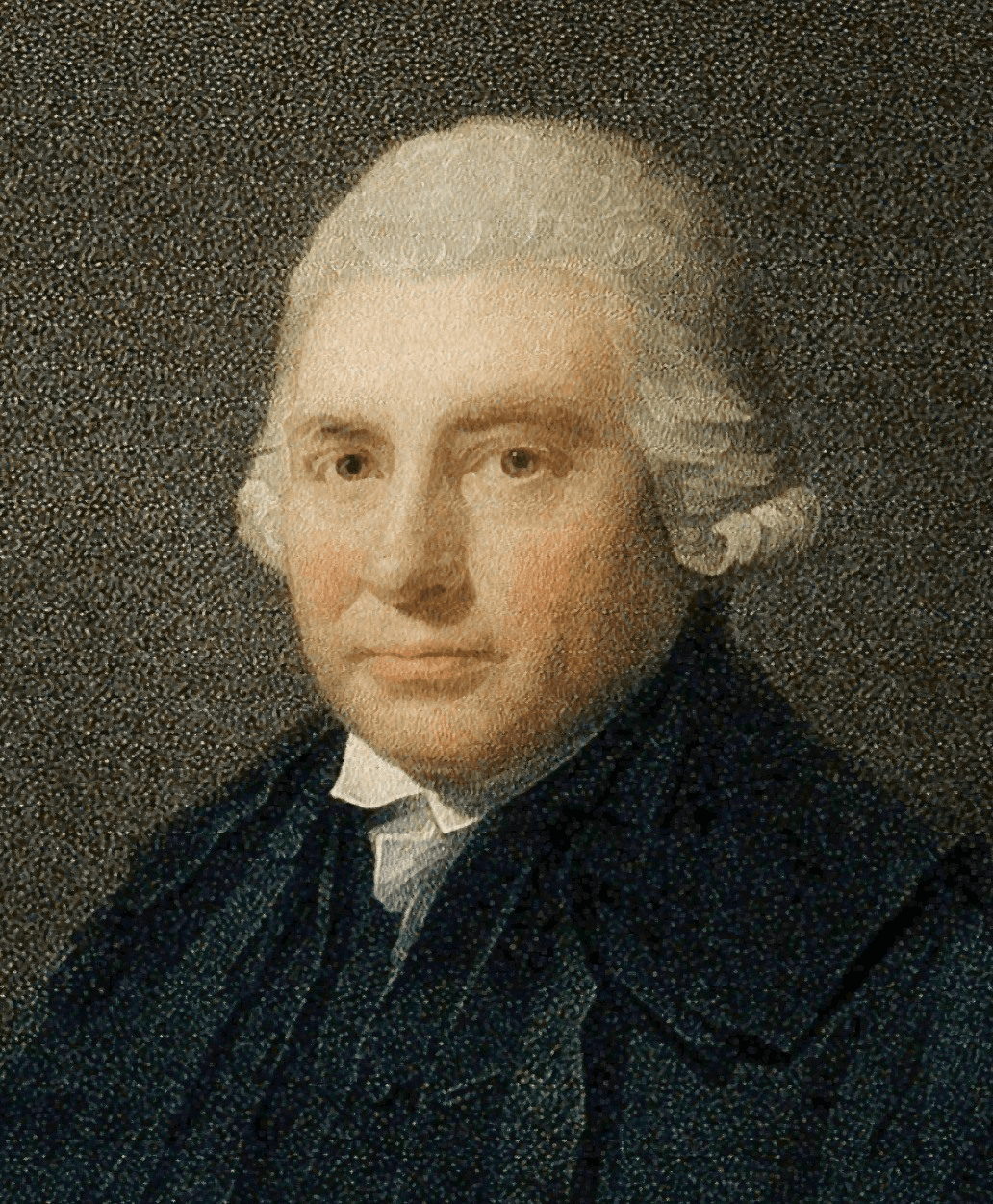
In 1783, in Edinburgh, Monro presented to the world a scientific paper based on observations of the nervous system’s structure and functions. This work was perhaps central to Alexander’s career, as it described in detail the connection between the lateral ventricles of the brain. He also observed that a specific opening in the brain (later called the “foramen of Monro”) is typically very small, but when the brain accumulates significant amounts of cerebrospinal fluid, this opening can expand to up to twenty millimetres wide.
Furthermore, Alexander pointed out that a healthy cranial cavity has a rigid structure and maintains a constant volume. Therefore, the volume of blood within the head also remains constant. His student, George Kellie, later expanded upon this idea, asserting that the cranial contents (blood, cerebrospinal fluid, and brain tissue) exist in a state of volumetric equilibrium. Thus, if one component increases in volume, another must decrease accordingly.
This observation later became officially known as the Monro–Kellie doctrine.
The End of His Life
Around 1808, Monro began experiencing declining health and strength. He became increasingly lethargic and suffered periodic nosebleeds.
In 1813, the physician suffered an apoplectic stroke.
Alexander Monro passed away on October 2, 1817. The talented doctor was laid to rest in Edinburgh’s Greyfriars Kirkyard.