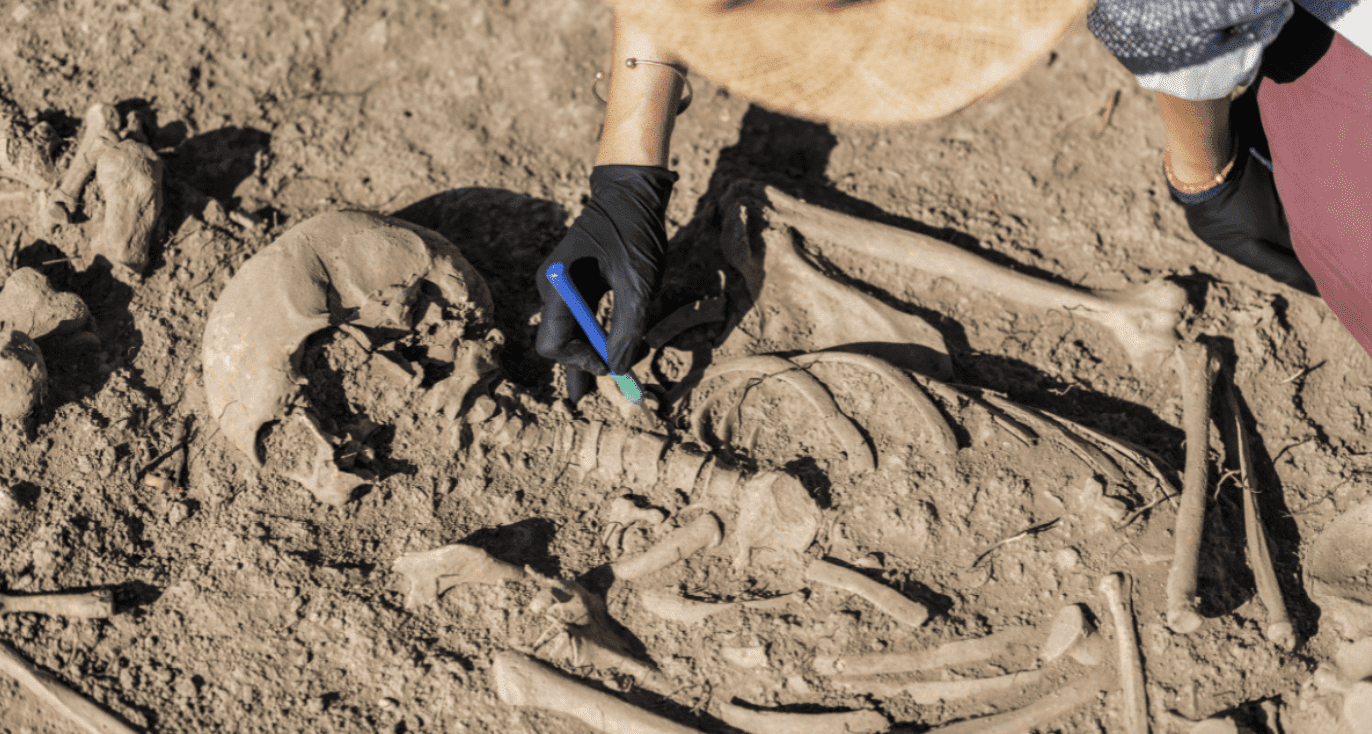

Science is a rapidly advancing field in Edinburgh. It is important to note that the city makes considerable efforts to promote this sector, with officials readily implementing various scientific programmes. However, the scientists themselves are the main driving force. Their freedom to choose their own vector of activity, combined with their formation of dedicated groups, allows science to reach new levels and ensures it never stops moving forward. More at iedinburgh.
The Scottish capital boasts an impressive number of scientific organisations and societies. It seems there are so many that one might question if there is enough work to go around. But the study of anything is a very creative process. Moreover, for professional scientists, there will always be an object worthy of investigation.
The Edinburgh Archaeological Field Society is just such a community. The standard of this organisation is so high that it plays a crucial role in Scottish archaeology.
Foundation and Debut Project
The Edinburgh Archaeological Field Society was founded in the spring of 1971. The first project the team undertook was the study of Fast Castle in Berwickshire.
This work continued until 1986. It was this project that led to the discovery of important finds. Furthermore, the project resulted in three valuable scientific publications that brought incredible historical facts to light.
Moreover, the research at Fast Castle was very highly acclaimed. The Edinburgh Archaeological Field Society became the recipient of the prestigious Pitt Rivers Award.
Unique Excavations
Another of the Society’s valuable and important projects was conducting excavations in Cramond Village. This was also meticulous work that required considerable time. It lasted from 1975 to 2008.
During this time, the Edinburgh Archaeological Field Society also assisted National Museums Scotland and a whole range of commercial archaeological units, while, of course, conducting its own excavations in parallel.
Most of the excavations in Cramond Village were dedicated to uncovering the area’s Roman past. However, the investigations carried out from 1988 to 2001 revealed the remains of the ruined 17th-century settlement of Nether Cramond, as well as several Mesolithic sites dating back to 8500 BC.
Collaboration with Colleagues and Gaining Valuable Knowledge
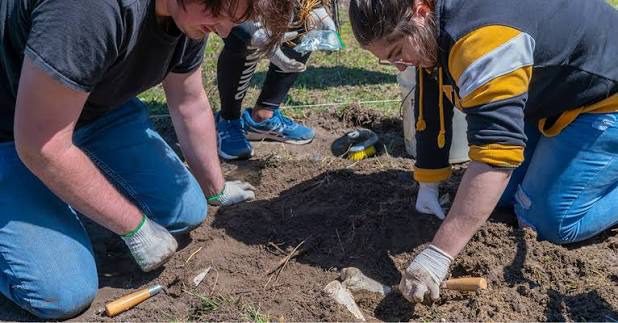
Of course, in its activities, the Edinburgh Archaeological Field Society also frequently collaborates with other archaeological organisations. As mentioned above, there are many of them in Edinburgh. In particular, they jointly conduct surveys, fieldwork, and, of course, excavations.
It is also important to note that by working with various objects from the past, the Edinburgh Archaeological Field Society team has become highly skilled in identifying such items. Furthermore, many members of the Society have become true experts in the fields of textiles, ceramics, glass, bone, and ancient technologies. In other words, this is precisely a case where a wealth of priceless knowledge is acquired through the work, which can then be applied very effectively in practice. For a professional scientist, such experience is a true treasure.
A Focus on Equality, Respect, and Support
In its work, the Edinburgh Archaeological Field Society always strives to create an atmosphere of respect and inclusivity. After all, only mutual support, assistance, and patience can create the right environment within a team.
Furthermore, the organisation strives for equality, which it believes brings true strength. This is built on respecting the experience, views, ideas, abilities, and background of every team member. The Society believes this approach helps to better understand our shared history through the tool of archaeology.
In other words, the Edinburgh Archaeological Field Society is on a path to creating a welcoming community where everyone feels valued and, of course, has the opportunity to make their own contribution to archaeological practice. Therefore, everyone has equal access to resources and unique artefacts.
Team Diversity as a Key to Success
It is no less valuable that the Edinburgh Archaeological Field Society is not becoming an organisation with rigid views. The community tries to constantly review its working methods, as it considers this approach effective for the development of archaeology.
The Edinburgh Archaeological Field Society team notes that it views diversity as a dynamic process that leads to continuous improvement and cultural growth.
Above all, the organisation strives for every member to contribute to the amazing world of archaeology and discovery. They believe that only by finding one’s own path can a person truly contribute. In time, this helps them create their own legacy based on their archaeological endeavours.
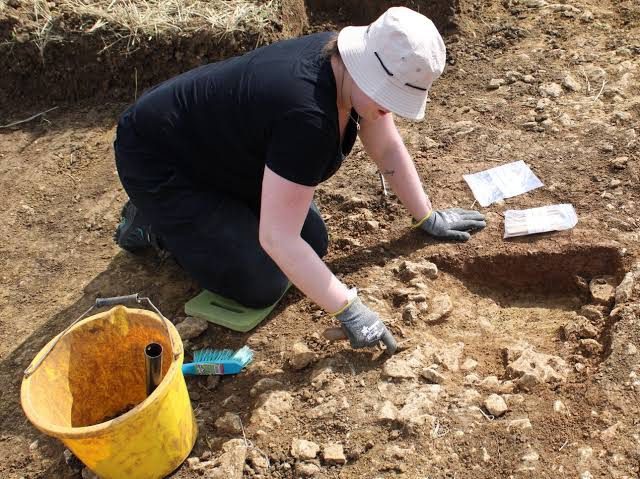
Thus, this community is unique. Science is harmoniously combined with a solicitous attitude towards each team member. It seems difficult to find a similar organisation where everything is done so that everyone can develop and, most importantly, find their own ‘signature’ in archaeology. This position presumably allows the team to achieve incredible results together. And, of course, this explains why many other archaeological communities dream of collaborating with the Edinburgh Archaeological Field Society.