
As Scotland’s capital, Edinburgh has a great deal to offer. Everyone can find high-quality, rewarding ways to spend their leisure time. Striking architecture, incredible sculptures, and cosy parks immediately capture the attention of tourists. More at iedinburgh.
However, the local cuisine arguably deserves the status of an attraction in its own right. The city holds its traditions in high regard. If a specific recipe was invented many years ago, great care is taken to preserve it, perhaps with only minor refinements.
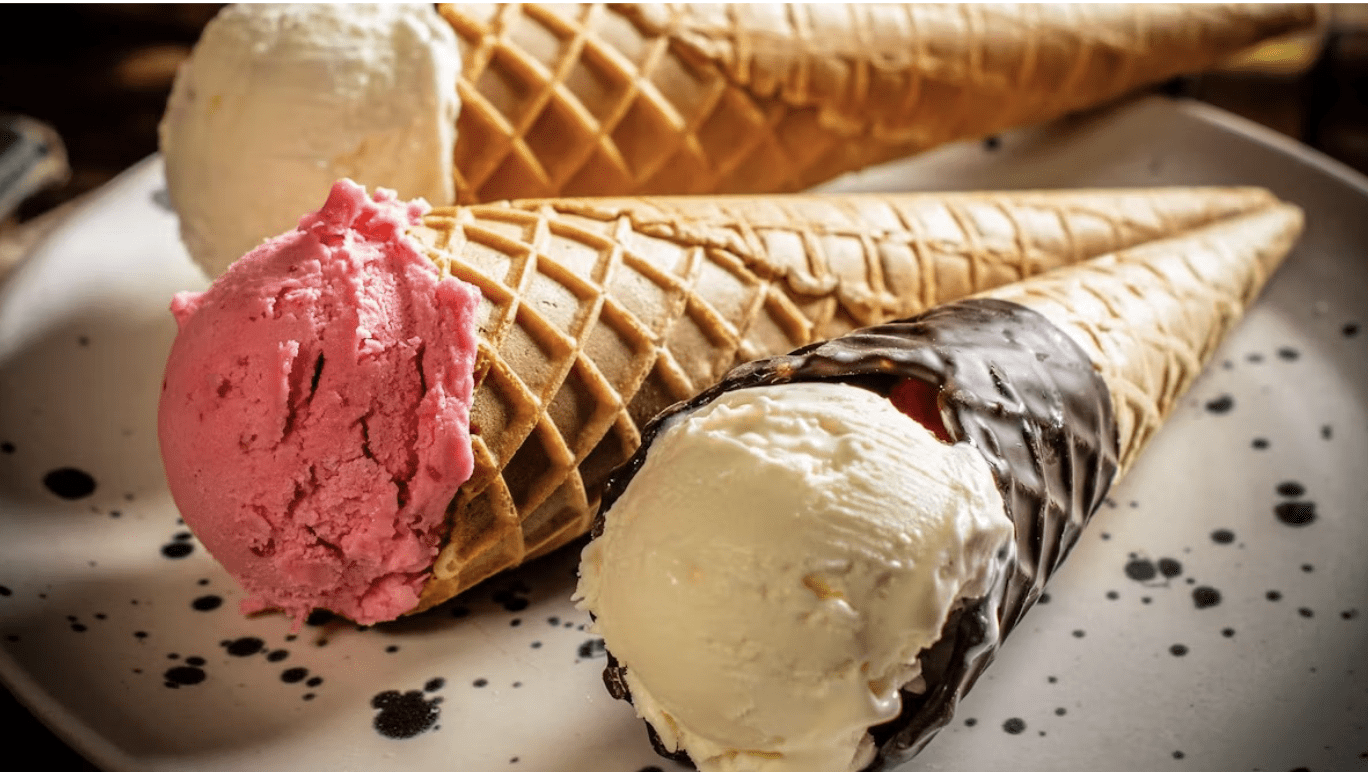
Scottish desserts are a part of the gastronomy that leaves no one indifferent. Luxurious pastries, delicious sweets, and, of course, ice cream. The latter, incidentally, is especially popular in Edinburgh.
A Building with History
However, before delving into the main topic, it is worth noting that Gladstone’s Land offers a taste of historic ice cream in the Scottish capital. The ground floor of this ancient Edinburgh building has been converted into a coffee shop, where the traditional recipe for this delicious ice cream is carefully preserved.
The Romans as Ice Cream Pioneers
If we look back at history, we find that frozen desserts have existed for over two thousand years! Ancient written records of this treat reveal that the Romans were extraordinarily fond of it. They particularly loved ice mixed with fruit.
Emperor Nero himself famously ordered snow to be brought down from the mountains just to prepare these sweets. This was akin to an early version of sorbet.
A Sign of Luxury
But as time went on, methods for preparing ice cream improved. In the 18th century, frozen desserts were considered a true symbol of luxury, served only in wealthy homes. Naturally, in Scotland, such treats were also a sign of the hosts’ status.
However, before modern freezing methods emerged, storing ice was, of course, a significant challenge. Consequently, country estates often featured ice houses. These were partially dug into the ground and situated near water sources, which helped to maintain a low temperature.
Different Countries, Different Names
One of the ancestors of modern ice cream is thought to be sherbet. This treat was hugely popular in Egypt, Turkey, and Persia, with mentions of it appearing even in ancient records.
As the dessert spread, it adopted different names in each country. By the 16th century, the dish was called *sorbetti* in Italy, while in England and Scotland, the name *sherbet* took hold.
The Main Ingredients

As for the taste, the dessert combined an incredible palette of flavours. Quince, lemon, pomegranate, cherry, strawberry, orange, tamarind, rose, violet, and mulberry – this is just a sample of the spectrum of aromas and ingredients used in the recipe.
Interestingly, back in the early 17th century, all these ingredients could be easily purchased in Edinburgh. One simply had to visit the grocery shop at Gladstone’s Land.
A Treat for the King
One of the earliest mentions of ice cream in Britain comes from Elias Ashmole. He described the treat being on the menu at a banquet held in honour of Charles II on 31 March 1670. On that occasion, the ice cream was served to the royal table alongside other, equally exquisite, sweets.
An Accessible Treat
Ice cream only became accessible to the wider public in Great Britain in 1718, when Queen Anne’s confectioner, Mary Eales, published the first recipe for the dessert. Her version exclusively used cherry, strawberry, and raspberry.
However, it is worth noting that the treat did not catch on in Britain immediately. The reason was quite simple: people were concerned about the potential health effects of eating such a cold delicacy.
Traditional Recipes and Modern Developments
When the café opened on the ground floor of Gladstone’s Land, it naturally began serving frozen desserts. It is important to note that the establishment did not open on a whim. The owner took a considered approach, first studying ancient documents and acquainting himself with the rich trading history of the Gladstone’s Land building.
In addition to this, ancient ice cream recipes were thoroughly studied. This allows them to treat visitors to genuinely traditional desserts.
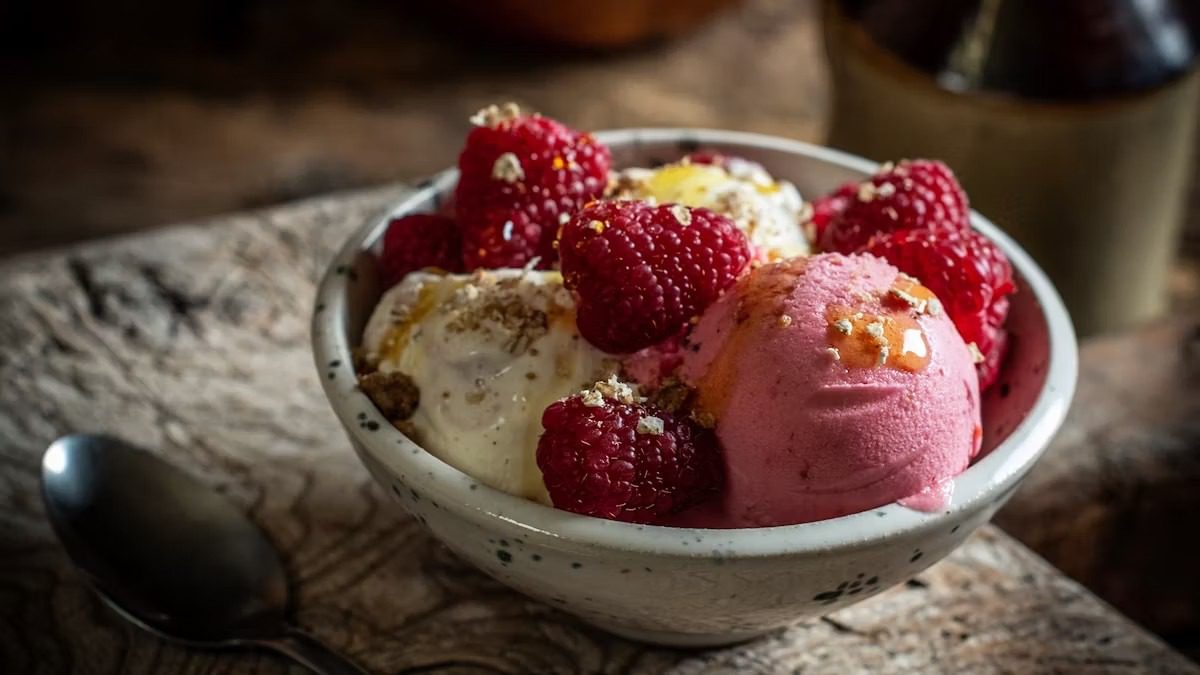
Of course, the menu also offers modern options, such as raspberry sorbet and double-cream vanilla ice cream. The establishment has even developed its own signature recipe: a treat with a flavour reminiscent of elderflower and lemon curd.
Thus, ice cream in Edinburgh has its own fascinating history. While the local population may have initially been apprehensive about such a cold dessert, things are very different now. This treat is considered one of the most beloved in the Scottish capital. Furthermore, traditional recipes and modern variations are held in equally high regard. The latter, after all, showcase the true skill of the confectioner and allow people to try something new and unusual.