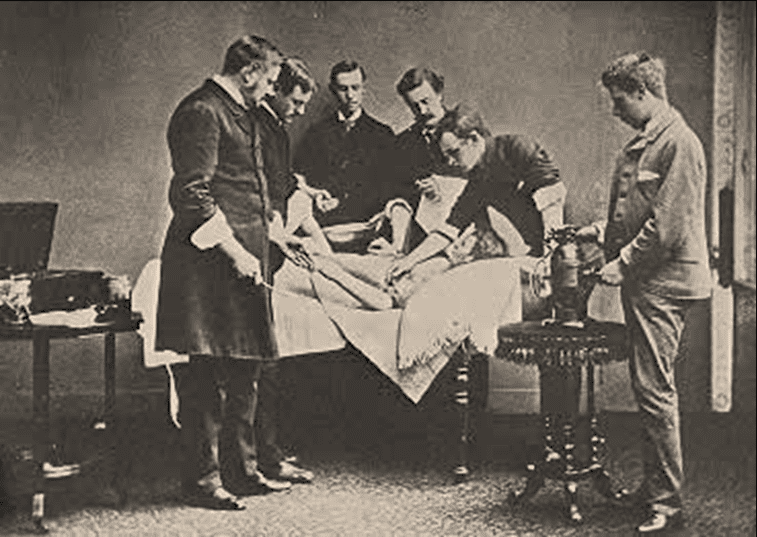

Scotland’s capital is a major centre for surgical education, home to many modern clinics and research facilities that are constantly driving innovation in surgery and aesthetic medicine. Yet, the city’s surgical history began back in the 16th century, a time when Edinburgh was, in many medical fields, in a state of stagnation. By the 19th century, however, the situation had changed dramatically, and Edinburgh had become a hub of progressive surgery. So, who shaped this remarkable transformation? History was written by talented doctors, university lecturers, and generous philanthropists. Each made an invaluable contribution to the development of surgery in Edinburgh and across Scotland. More at iedinburgh.
The First Steps in Surgical Development
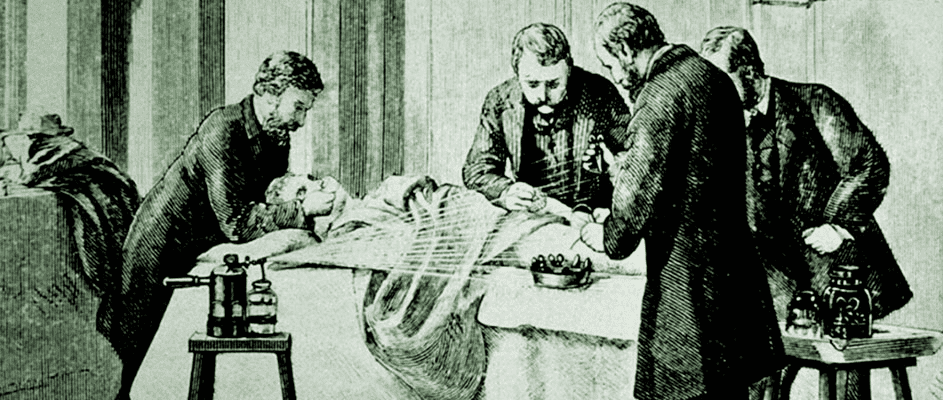
The starting point for Edinburgh’s surgical development was the founding of the Royal College of Surgeons in 1505. The instructors were true enthusiasts of their craft. They diligently learned new approaches and a new understanding of the human body, and eagerly passed this knowledge on to their students. While their methods were primitive and often ineffective by modern standards, these early efforts were a crucial step forward. In 1583, the first university in all of Scotland opened in Edinburgh, which also became an important platform for medical and surgical training. By the end of the 17th century, both institutions were collaborating with the Royal Infirmary and jointly managed the systematic teaching of medicine.
By the beginning of the 18th century, Edinburgh already had a well-developed surgical discipline and training programme, with its own corporation of surgeons. In 1778, King George III granted a charter giving the corporation its new official title: “The Royal College of Surgeons of the City of Edinburgh”. It can be confidently stated that from this moment, the Edinburgh school of surgery became one of the strongest in the world. Thanks to Edinburgh’s great universities and colleges, one of Europe’s sleepy capitals transformed into a flourishing medical centre with a global reputation and influence. It achieved this status in the 18th and 19th centuries and continues to maintain a high standard today.
The Pioneers of Surgery
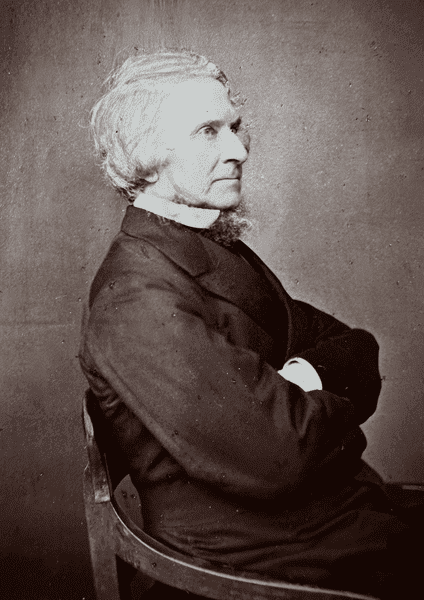
In late 17th and early 18th century Scotland, there were many individual surgeons as well as entire medical dynasties. The most influential of these were the Monro and Bell families. Surgery became the work of several generations of these families, and thanks to their research and dedication, surgical methods were constantly refined.
The surgeon and anatomist Alexander Monro headed the Department of Anatomy at the University of Edinburgh. In 1726, he published his major work, “The Anatomy of the Human Bones”. Despite having no illustrations, the book was so popular that it went through seven editions and became a core textbook for medical students for many decades. In 1729, Monro rented a house with six beds to care for the sick poor. Within its walls, he taught anatomy and gave lectures using wax models. This small building laid the foundations for what would become the Edinburgh Royal Infirmary. His other great contributions include being the founder of the Society for the Improvement of Medical Knowledge (the forerunner to the Royal Society of Edinburgh) and having published the first regular medical journal in Great Britain, “Medical Essays and Observations”.
Benjamin Bell is often called the father of the Edinburgh school of surgery. He was himself a student at the University of Edinburgh, where Alexander Monro was his medical mentor. At the age of 24, he became one of four Attending Surgeons at the Royal Infirmary of Edinburgh, where he worked for 18 years. He later established a vast surgical practice in Edinburgh with two other prominent surgeons. In 1783, he was one of the founders of the Royal Society of Edinburgh. Benjamin Bell’s main contribution to surgical practice was his focus on saving skin and alleviating pain during surgery. He also authored the six-volume textbook, “A System of Surgery”, which was translated into several languages and went through seven editions.
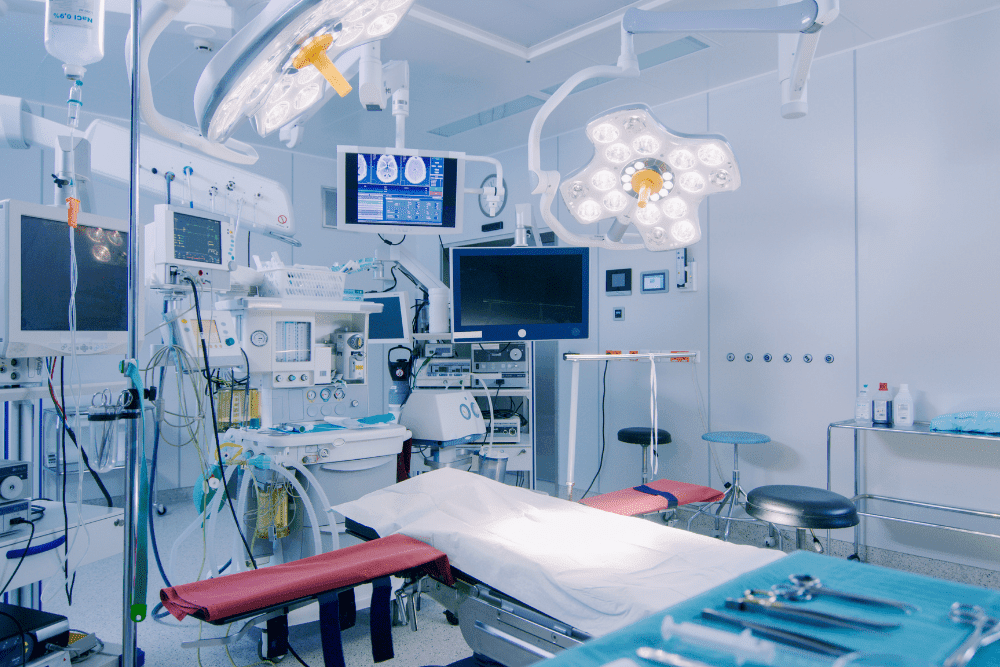
Thanks to this immense medical heritage, the standard of surgery in Edinburgh today is exceptionally high and holds a leading position in the world. To learn more about the development of surgical skill and its pioneers, you can visit the museum at the Royal Infirmary of Edinburgh and the Surgeons’ Hall. A fascinating experience is guaranteed!