

Classical music is renowned for its profound impact on the human mind and emotional well-being. Recognizing this, experts have developed an entire field—music therapy—built on the power of music to heal.
Read more on iedinburgh.
But such “treatment” would be impossible without those who create the very “medicine”—composers whose talent allows us to experience the magic of music.
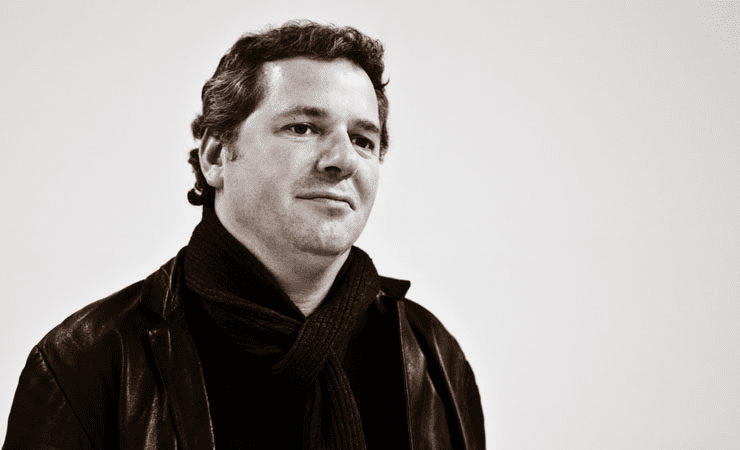
Julian Wagstaff is one such figure—an acclaimed composer whose works have left a lasting mark on Scotland’s cultural legacy.
Humble Beginnings
Julian Wagstaff was born in Edinburgh in 1970. At first, nothing suggested a future in the arts—he was immersed in German language studies, followed by politics. In 1993, he graduated from The University of Reading, ready to enter a completely different world.
Armed with academic credentials, Julian began his career as a written and spoken translator, putting his linguistic skills to professional use.
A New Passion
Music didn’t enter Julian’s life seriously until the late 1990s, when he began to consider it not just as a hobby, but as a potential career path.
That leap of faith paid off—his transition from translator to composer proved incredibly successful.
Interestingly, his background in language and political history would soon find its way into his music, adding a distinctive layer to his compositions.
A Notable Debut

Wagstaff’s first major success came with the musical John Paul Jones, which premiered in Edinburgh in 2001. It tells the story of a Scottish sailor who became a hero of the American Revolution.
The work struck a chord with audiences—not only because of its dynamic music, but also because of Julian’s signature style: blending multiple musical genres into a single cohesive piece.
Formal Training
Despite his successful debut, Wagstaff felt the need to deepen his knowledge. Understanding that formal education could unlock the deeper mechanics and techniques of composition, he enrolled at The University of Edinburgh in 2001 to study musical composition.
There, he was mentored by none other than Professor Nigel Osborne, a celebrated composer and educator.
Influences on His Work
Julian’s early passions—especially for German history—strongly influenced his music.
One standout example is Treptow, a work that reflects his fascination with Germany’s complex past. The composition was so well received that it earned the Emre Araci Prize in 2005.
An Unconventional Opera
At the 2007 Edinburgh Festival Fringe, Wagstaff captivated audiences with a unique chamber opera titled The Turing Test.
The piece was inspired by the test created by Alan Turing, designed to assess whether a machine could exhibit human-like intelligence.
Julian’s opera explored these themes with both nuance and originality—further establishing his reputation for intellectual, thought-provoking work.
Prestigious Commissions
In 2011, Wagstaff was commissioned by the Royal Society of Chemistry to compose a piece in celebration of the International Year of Chemistry.
The result was A Persistent Illusion, a trio for piano, cello, and clarinet.
His growing reputation led to further high-profile collaborations, including with the University of Edinburgh. In 2013, they asked Julian to compose an opera marking the 300th anniversary of its School of Chemistry.
Wagstaff delivered Breathe Freely, a powerful work set during World War II. The premiere was met with glowing praise, further cementing his status as a master of his craft.
Loyal to His City
Unlike many artists who move away in search of bigger opportunities, Wagstaff chose to stay in his hometown of Edinburgh—and it paid off.
His decision to live and work in the city of his birth not only grounded his career, but also earned him respect, recognition, and a loyal audience both at home and abroad.
Julian Wagstaff is more than a composer—he’s a symbol of Edinburgh’s creative spirit. His vast talent, combined with his intellectual curiosity and artistic discipline, has led to the creation of deeply moving and richly layered musical works.
Each new composition draws admiration and excitement, proving that true brilliance, nurtured in the right environment, always finds its way to the spotlight.
Perhaps it’s no coincidence that Julian found his voice in Edinburgh. As the saying goes: “Bloom where you’re planted.”