

It is hard to argue with the fact that Edinburgh has long been at the forefront of various fields. This city has always amazed with its multifaceted character and, of course, its use of innovative methods. Find out more at iedinburgh.
These innovations touched everything, from daily life to business practices. But, of course, one cannot overlook that science and enlightenment are indispensable to the story of Edinburgh’s development.
If you delve into history, you can see that various scientific organisations, circles, and societies were an integral part of Edinburgh’s past. They all functioned in large part thanks to the famous figures who lived and worked in this unique city.
Among such institutions, The Royal Society of Edinburgh rightly stands out. This is Scotland’s national academy of science and letters. The organisation is distinguished by its long history and the noble mission it has continued to fulfil for hundreds of years.
The Most Prestigious Organisation
It is worth noting that in the early 18th century, Edinburgh’s intellectual climate fostered the emergence of new societies and clubs. And although medicine, art, and science were fields covered by several existing organisations, the most prestigious was The Society for the Improvement of Medical Knowledge.
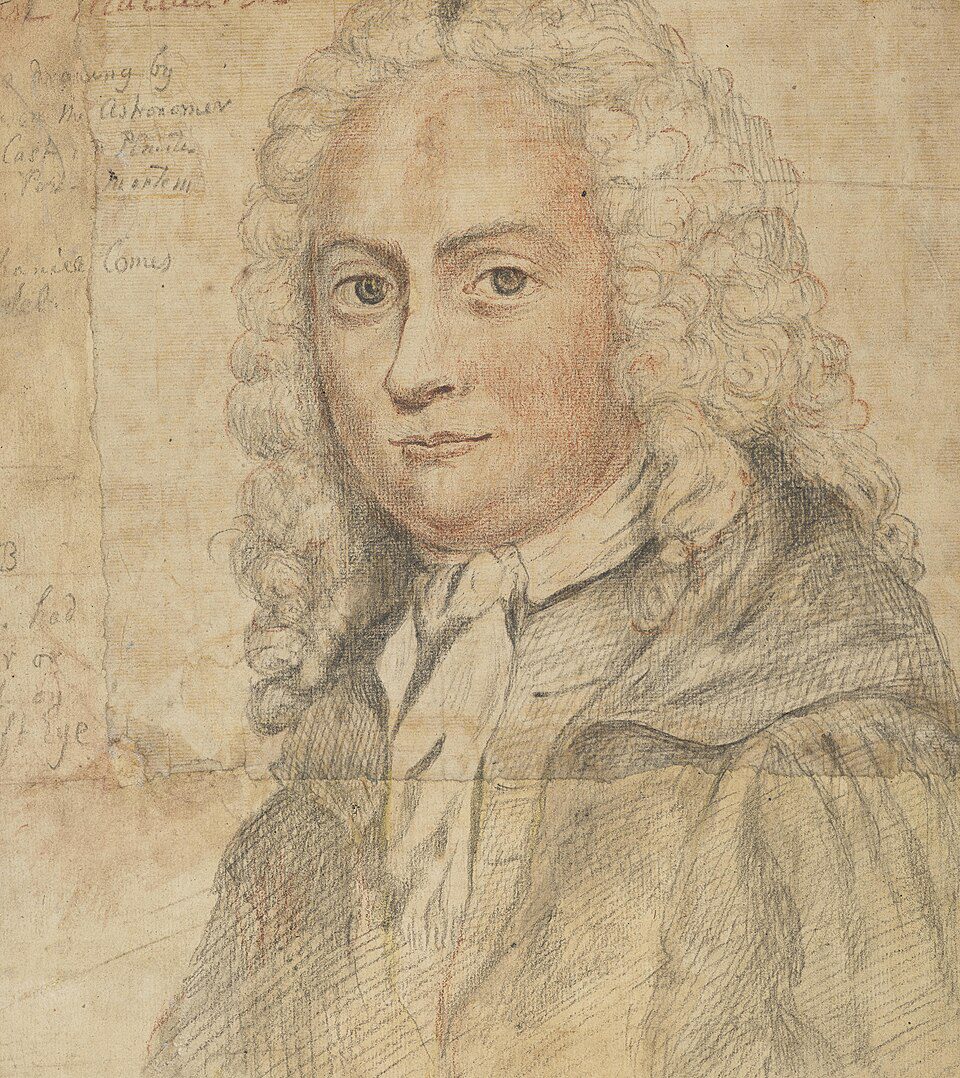
At that time, it was commonly known as The Medical Society of Edinburgh. Its co-founder was the mathematician Colin Maclaurin.
The Beginning of Further Changes
However, Maclaurin was not pleased with the specialised nature of the organisation he had helped create. And so, in 1737, The Edinburgh Society for Improving Arts and Sciences branched off from The Medical Society of Edinburgh.
From Philosophical Society to Royal Society
But, as it turned out, the name of the newly formed body was too cumbersome and not very memorable. Therefore, in 1738, the decision was made to rename this new organisation as The Edinburgh Philosophical Society.
Then, in 1783, thanks to University of Edinburgh professors such as Joseph Black, John Walker, and William Cullen, the organisation was transformed into The Royal Society of Edinburgh.
The Emergence of Another Society
At the end of the century, a split occurred among the organisation’s members based on their different aims—theoretical versus practical. This event eventually led to the founding of The Wernerian Natural History Society, often simply called the Wernerian Society. It operated in parallel to The Royal Society of Edinburgh and focused primarily on scientific research that could be used to advance Scotland’s industrial and agricultural sectors.
An Organisation Uniting Talented Scientific Minds

As for The Royal Society of Edinburgh, in the 19th century, it brought together many famous scientists whose ideas later became the foundation of modern sciences. By the 20th century, the organisation was not only a centre for Scotland’s outstanding scientific figures but had also become a platform for the humanities and arts.
The RSE in the 21st Century: A New Academy
It is worth noting that despite its early founding and long history, the aforementioned Edinburgh society has continued to thrive well into the 21st century. It still carries out its primary mission and promotes original research.
Furthermore, in 2011, The Royal Society of Edinburgh established The Young Academy of Scotland. The aim was to bring together young professionals (aged between 20 and 40) representing a wide variety of disciplines and Scottish regions. By engaging a new generation of leaders, ideas can be developed to solve problems across many sectors.
Interestingly, the number of male and female members is almost equal. Their term in this position lasts for five years.
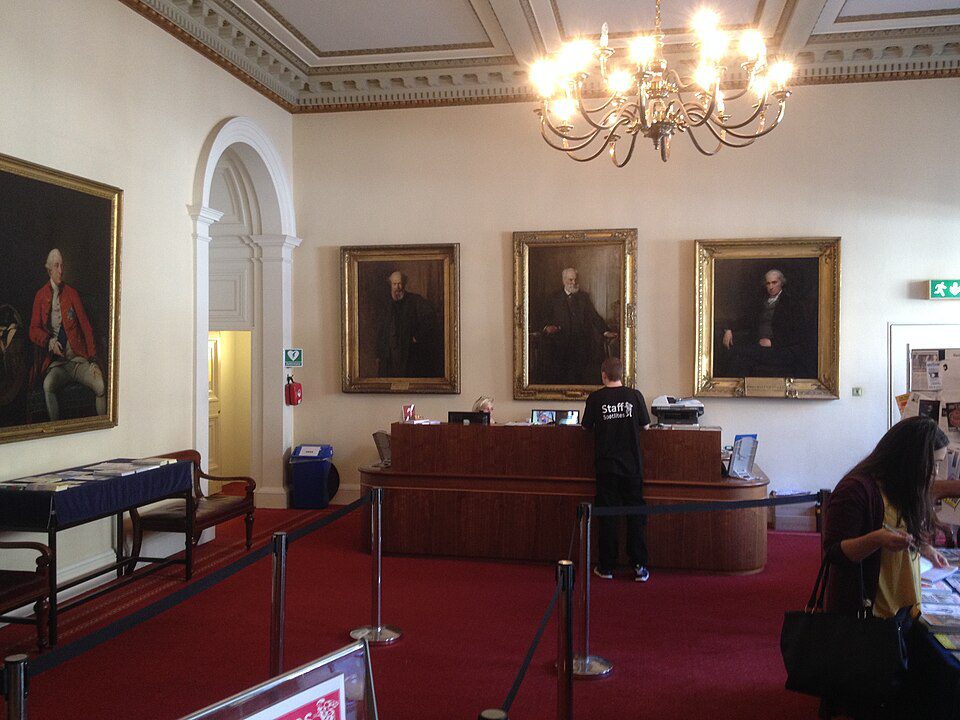
Thus, over the many long years of its existence, The Royal Society of Edinburgh has become an important and valuable element of Edinburgh’s intellectual life. This organisation plays a significant role in promoting education, which it achieves by conducting various useful studies and by bringing together scientific figures. After all, only real specialists who understand a particular topic in detail can offer something effective and, as a consequence, contribute to the advancement of science.
It is also important to note that The Royal Society of Edinburgh does a colossal amount of work to promote young scientists. It could be said that the society, to a certain extent, provides a professional pathway for new specialists, helping them to realise their potential.
No less valuable is the fact that this organisation, through its direct activities and various projects, helps society solve many cultural, economic, and social problems. The work and research conducted by its scientist members yield useful and immense results over time. These, in turn, foster ideas and thoughts among scientific figures that lead to the right solutions.