
Edinburgh has given the world so many talented and extraordinary people that there’s simply no doubt about the uniqueness of this city. After all, it’s rare to find such an impressive concentration of brilliance and limitless creativity in one place. More on iedinburgh.
Determining which areas of activity are most represented by Edinburgh natives isn’t simple. These individuals excel in various fields, each making valuable contributions to global culture, science, economics, and politics.
Medicine undoubtedly stands out as a sphere where Edinburgh’s talents have achieved significant success. Numerous studies, groundbreaking surgeries, and remarkable accomplishments from the city’s doctors have profoundly impacted medical progress worldwide.
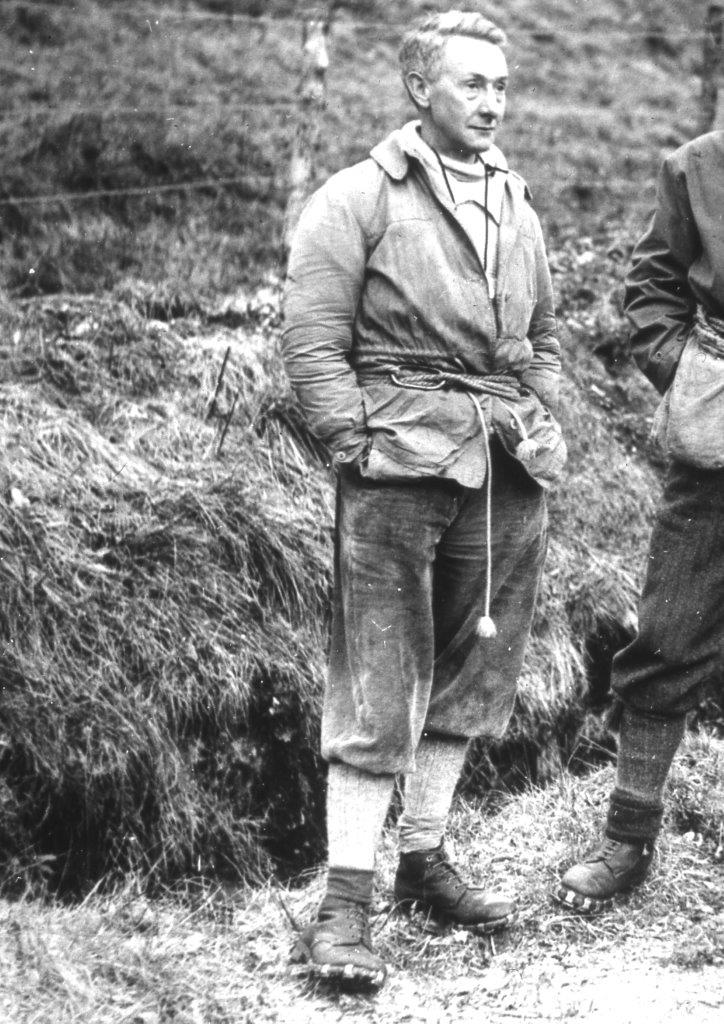
Donald Gordon Duff is among Scotland’s most prominent surgeons. It seems he dedicated his entire life to his profession. Yet, aside from medicine, he had another passion equally compelling—mountaineering.
Early Years
The future surgeon was born in 1893. Donald’s educational journey began at the renowned Royal High School. After his school years, the young man entered the University of Edinburgh, successfully graduating in 1916.
As is well-known, military service is a defining chapter in the lives of most young men, marking their transition from youthful carefree days into responsible adulthood. Duff was no exception. Immediately after university, he joined the Royal Army Medical Corps.
During his military service, he participated in the Battle of the Somme and, in 1918, received a prestigious award for exceptional courage and dedication—the Military Cross.
Further Events
Duff’s later life was equally fascinating.
Between 1919 and 1920, he served in India. In 1922, he became a fellow of the Royal College of Surgeons of Edinburgh.
Following this, he held various positions across multiple institutions. Starting as a senior surgeon at Craigleith Ministry of Pensions Hospital, he eventually became a resident surgeon at Denbighshire Infirmary in North Wales.
Notably, Donald worked for 23 years in North Wales, leading Red Cross hospitals and the Civil Defence Medical Services in Denbighshire.
A Hobby that Turned into a Job
Duff was a remarkably multifaceted person, with other interests beyond medicine. His favourite, perhaps, was mountaineering. He began climbing in Snowdonia, frequently participating in mountain rescue missions.
Additionally, Donald personally designed a unique stretcher that later bore his name.
In 1945, upon becoming a surgeon at Belford Hospital, Duff joined the Scottish Mountaineering Club. This marked a new chapter in his career, as mountaineering transformed into another professional pursuit. He increasingly ventured into the mountains, conducting rescue operations and aiding injured climbers. That same year, he became the leader of the Lochaber Mountain Rescue Team.
It’s worth mentioning that this team gained recognition as Scotland’s first volunteer civilian rescue group.
A Popular Device
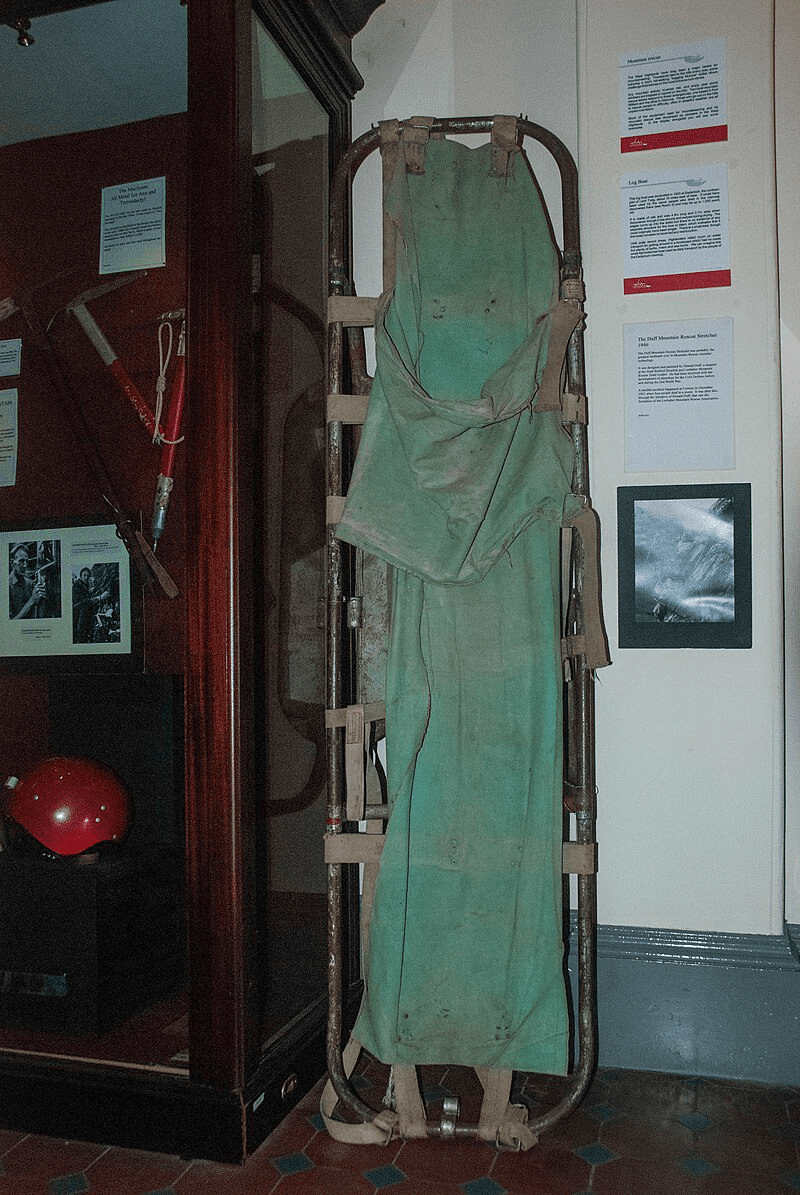
In 1946, Duff obtained a patent for his invention—a lightweight mountain stretcher. His stretcher soon became standard rescue equipment across Scotland. It remained popular until eventually replaced by stretchers developed by Hamish MacInnes.
A Few Personal Traits
Exploring the biography of any figure, it’s always fascinating to discover details beyond mere facts, such as their personality and values, allowing a deeper understanding of their character.
Speaking of Donald Duff, it’s important to highlight his special approach toward physical activity. His contemporaries noted that the surgeon would cycle everywhere, even in the worst weather conditions, and rarely wore a coat no matter how cold it got. This habit kept the famous surgeon fit.
Duff frequently voiced his opposition to sedentary lifestyles devoid of physical exercise, believing such habits led directly to muscle atrophy. He also strongly disapproved of excessive sugar intake and overeating.
Regarding Duff’s personality, he was known as very communicative. Patients found him easy to approach and talk to.
A Valuable Contribution
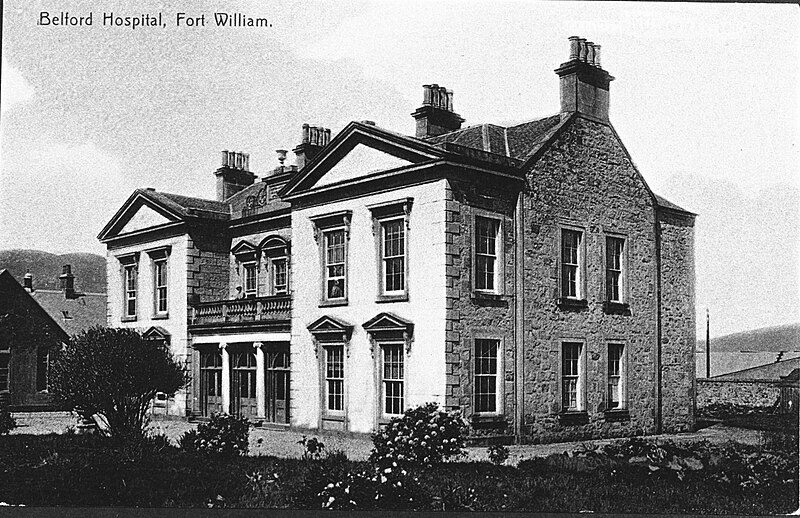
Returning to Duff’s professional achievements, it’s essential to delve deeper into his tenure at Belford Hospital.
Upon appointment, Donald had to prepare a report for the hospital’s Board. During his presentation, he openly discussed several problematic areas within the facility.
While praising the hospital’s cleanliness and organization, he singled out critical issues concerning equipment shortages. Duff also pointed out the lack of a physiotherapy unit, inadequate operating-room facilities, and poor conditions in the maternity wards and the mortuary.
In his first year as surgeon at Belford Hospital, Duff proposed constructing a new facility. Hospital management backed his initiative, and by 1950, active site-searching began, eventually accelerating into more intensive work.
Construction commenced in 1962, and the new hospital opened its doors in 1965.
Unfortunately, Donald Duff himself wasn’t directly involved at this stage, as he had retired. In 1959, Iain Campbell replaced him as the hospital’s surgeon.

In conclusion, Donald Duff’s entire career can be viewed as a valuable legacy for medicine. His principled and responsible approach, coupled with endless passion for his profession, remains the best evidence of his dedication.