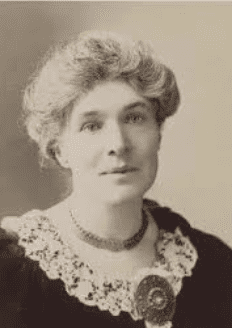

Exploring the biographies of renowned individuals often reveals that many were compelled to relocate to different cities or countries for various reasons. It was in these new environments that they managed to unlock their potential and achieve true success. For some reason, native places don’t always provide gifted individuals the platform to truly make their mark. Read more on iedinburgh.
This phenomenon is also evident among Edinburgh’s talents. Many have built remarkable careers far from home, attaining incredible results.
Helen Hopekirk is one such individual. This woman earned acclaim as a talented pianist and composer—but far beyond the borders of her homeland.
Early Beginnings
Helen was born on May 20, 1856, in Edinburgh. In her case, a creative path seemed predestined. Her parents owned music shops, making instruments and art-related individuals an integral part of young Hopekirk’s family life.
As she grew older, the “spirit of creativity” continued to stir within her. When the time came to choose a profession, Helen had no doubts.
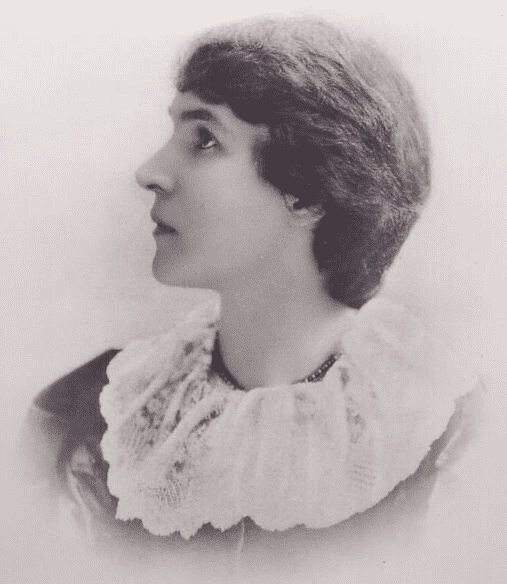
Before embarking on her career, she needed proper education. Her first teachers were George Lichtenstein and Alexander Mackenzie. Notably, Mackenzie was an exceptionally authoritative educator who, besides teaching, built a career as a renowned Scottish composer. His influence was instrumental in unveiling Hopekirk’s talent.
Initial Successes
Helen’s debut as a soloist occurred in 1874 when she performed with The Edinburgh Amateur Orchestral Society.
Several successful performances followed.
However, these joyful moments were soon overshadowed by sorrow. Helen’s father passed away, a tragic event that prompted her to leave her hometown.
She relocated to Leipzig, where she studied composition under Carl Reinecke. The Edinburgh native’s talent shone brightly in this new setting. Shortly after her move, audiences in Leipzig and London were captivated by her unique performances, which soon evolved into full-fledged concert tours across Europe.
Marriage and Support
The year 1882 marked a personal milestone for Helen. She officially married Edinburgh merchant and music critic William A. Wilson. William had unwavering faith in his wife’s talent and fully supported her professional pursuits. Eventually, he took on the role of her manager.
A New Chapter
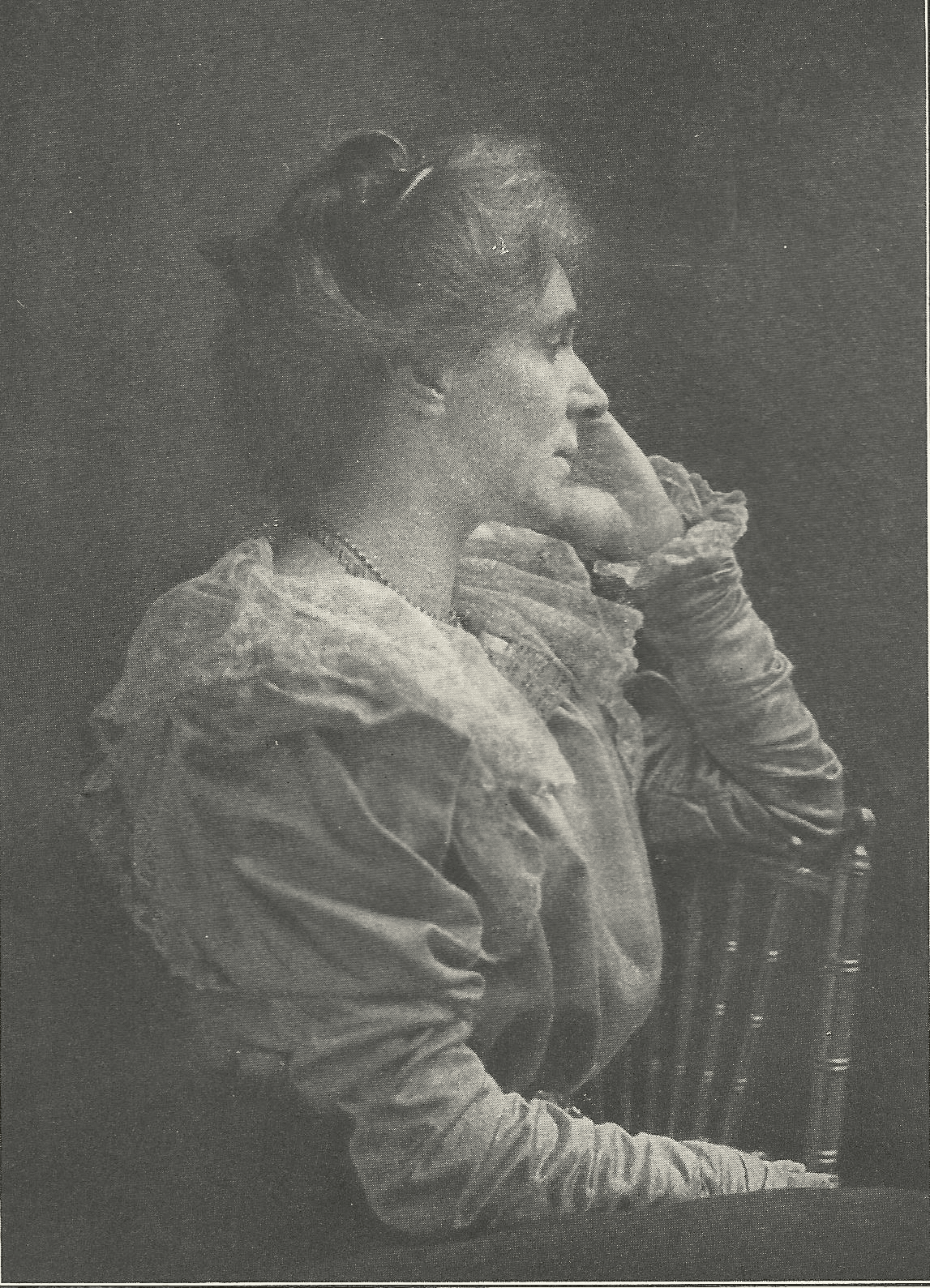
In 1883, Hopekirk’s career reached its zenith. She made her American debut, performing with The Boston Symphony Orchestra. The concert was incredibly successful, eliciting a wave of positive feedback from listeners. The audience virtually “fell in love” with the performer, leading Helen to embark on a concert tour across the United States.
Despite her success, Hopekirk remained unaffected by “stardom.” She continued to pursue self-improvement and the development of her talent.
Helen aspired to study under the globally recognized musical genius Franz Liszt. Unfortunately, this desire remained unfulfilled due to Liszt’s death.
She then adjusted her plans, studying with Theodor Leschetizky and later with Karel Navrátil.
Relocation
Regarding the family’s residence, it’s noteworthy that until 1892, Helen and her husband lived in Vienna. They then moved to Paris, where Helen decided to explore another facet of her talent—teaching piano lessons.
A Twist of Fate
Unfortunately, the performer and composer didn’t enjoy a peaceful and measured life for long. Her husband was involved in a traffic accident, sustaining serious injuries. Witnessing his deteriorating health, Helen realized that private lessons were insufficient.
In 1897, she received an offer from George Chadwick, head of the New England Conservatory, inviting her to a teaching position. Helen gladly accepted, viewing it as a twist of fate.
Helen worked at the conservatory until 1901, after which she decided to leave and dedicate herself exclusively to private lessons and performing. In 1918, she and her husband experienced another significant event—they were officially granted American citizenship.
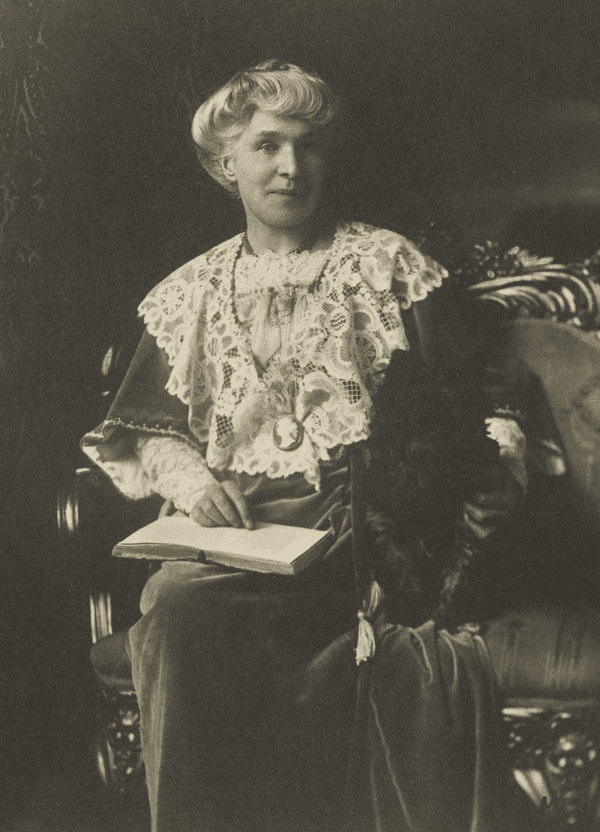
Hopekirk’s final performance took place in 1939 at Boston’s Steinert Hall. As always, her appearance was sensational, and the audience’s reaction was marvelous.
However, the earthly journey of the talented and vibrant Helen soon came to an end. A severe illness (cerebral thrombosis) led to her death on November 19, 1945.
Nevertheless, the remarkable contributions of this extraordinary woman left a lasting imprint on culture. Thousands of admirers cherish her memory and her unique artistry that touched their souls and hearts.