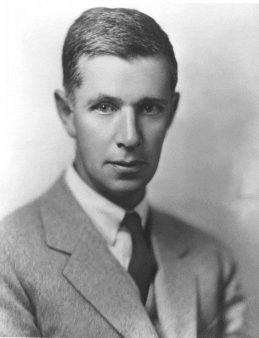

Thomas Addis Jr. successfully built a career as both a physician and a scientist. Through his work and numerous studies, he achieved significant breakthroughs in understanding the mechanisms of blood clots.
Iedinburgh.info has more.
Thomas is also regarded in the scientific community as a pioneer in nephrology – the branch of medicine concerned with kidney diseases.
Addis devoted particular attention in his research to the pathogenesis of haemophilia. Indeed, he was the first to demonstrate that normal plasma could correct the coagulation defect in haemophilia.
Overall, Thomas Addis’s life and career are filled with many unique facts and events. These are what attract the attention of biographers of the famous scientist, and indeed anyone fascinated by science and its developmental stages.
Early Years
Thomas was born on 27 July 1881 in Edinburgh. His father was a clerk in the local Inland Revenue office. However, his father’s work did not inspire passionate interest in the boy. In contrast, his grandfather, who was a physician, successfully influenced his grandson.
Education
Consequently, upon reaching the appropriate age, Thomas decided to study medicine.
After graduating from the University of Edinburgh Medical School, Addis quickly began to build his career.
Thus, in 1911, he became a professor at Stanford University. Thomas held this position until 1949, the year of his death.
Scientific Activities
Thomas’s research activities focused on haemophilia. However, he also studied the metabolism of bile pigments.
Furthermore, Addis’s research into renal function contributed significantly to the emergence of modern renal physiology.
Thomas’s scientific career also enabled him to make a truly unique development. He created the method for measuring the count of white blood cells, casts, red blood cells, epithelial cells, and protein content in urine samples. In modern medical terms, this refers to the Addis count, a test used in the diagnosis and management of kidney diseases.
Towards the end of his life, Thomas began studying laboratory rats as a model for proteinuria. He was the first to discover that the urine of these rodents contains major proteins.
A Major Contribution
Subsequently, many scientists highly praised Thomas’s contribution to the advancement of medical science.
Notably, Roland Schmitt pointed out that Thomas Addis initiated the practice whereby every comprehensive patient examination includes a thorough microscopic study of their urine.
The Scientist’s Personal Views
Interestingly, the end of Addis’s career was also marked by Stanford University taking away his laboratory. The reason for this action was the scientist’s leftist political views, as he had expressed support for the Loyalists in the Spanish Civil War.
He was also a friend of Harry Bridges and other left-wing figures. Furthermore, he actively supported the idea of health insurance and even chaired the San Francisco chapter of the Physicians’ Forum, an organisation that promoted national health insurance. It is worth noting that this cause so captivated Thomas and resonated so deeply with him that it even led to his expulsion from the American Medical Association. In protest against the AMA’s failure to support President Truman’s national health insurance plan, Thomas refused to pay his annual membership dues.
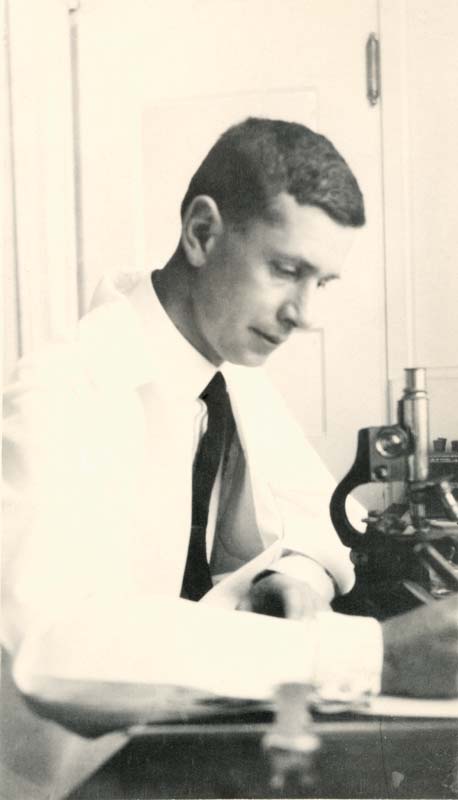
Thomas Addis’s life journey ended on 4 June 1949. However, he succeeded in permanently etching his name into the history of medical science. His entire life was dedicated to the constant improvement of medicine and conducting new research. It is therefore not surprising that Thomas’s achievements gained great significance in the development of medical science and practice. And, of course, they stand as the best testament to the talent and ingenuity of this renowned scientist.