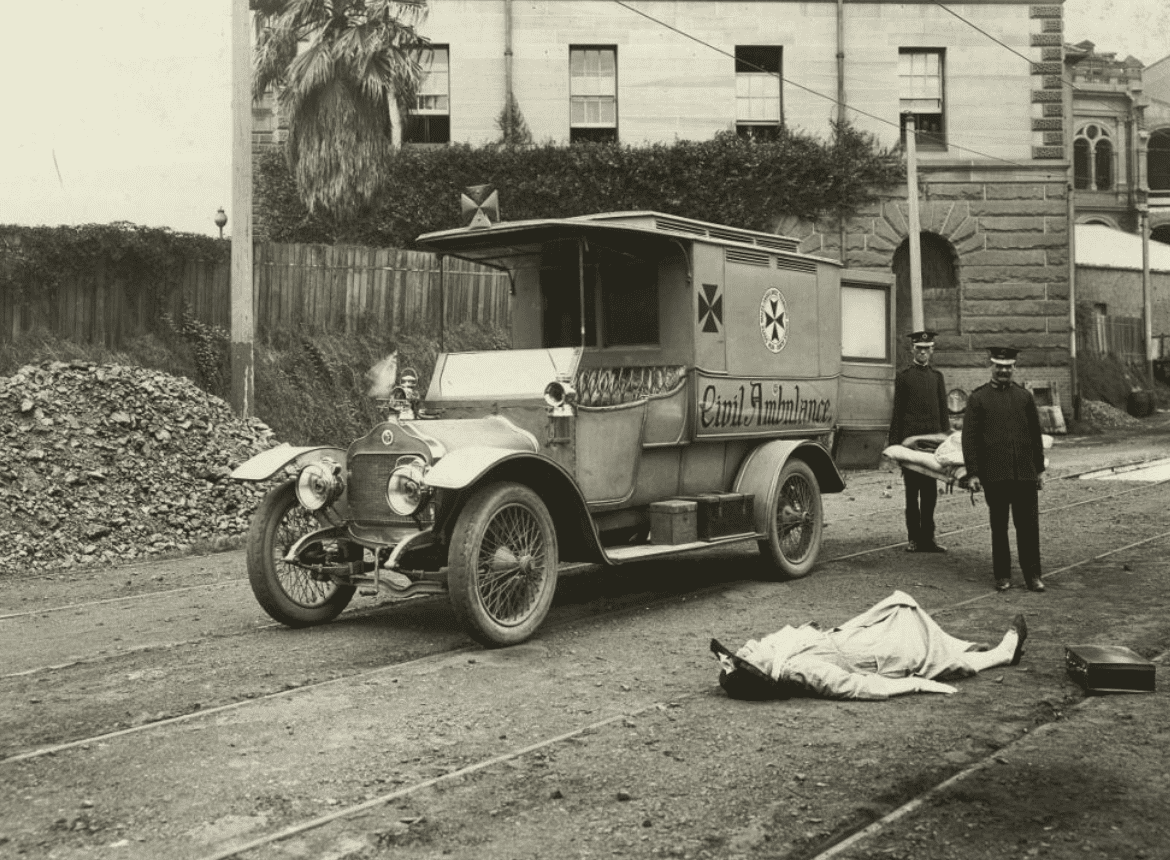

Today, Edinburgh’s ambulance service is an impressive operation. Boasting a vast fleet of specialised vehicles and even air support, its teams save thousands of lives every day. This high level of qualified care is, of course, the result of several hundred years of trial and error. The history of the ambulance service’s development is a fascinating one, and it deserves our attention. More at iedinburgh.
Early Medical Services
In Edinburgh, as across all of Scotland, medical services evolved gradually over the centuries. The early 16th century saw the establishment of the first infirmary in Edinburgh, and by the end of the century, the Royal College of Physicians of Edinburgh had opened its doors. These were the first steps towards providing organised medical care for the population. In those days, the idea of a medical team arriving at one’s doorstep was simply unimaginable. The most one could hope for was a visit from the family doctor, a luxury only the wealthy could afford. It wasn’t until the mid-17th century that small hospitals began to appear, admitting patients from poorer backgrounds. These efforts to improve public health were not state-led but were funded by philanthropic doctors like Joseph Bell.
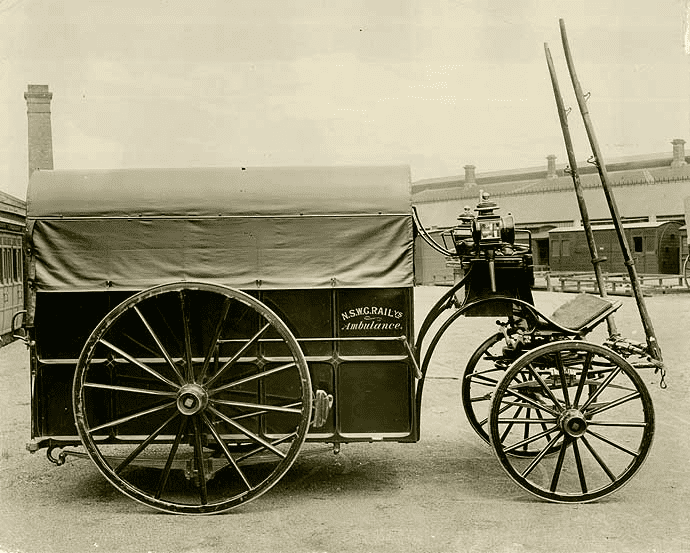
In the 18th century, Edinburgh became Scotland’s educational centre, which spurred advances in scientific and medical knowledge. Entire family dynasties of doctors emerged, enthusiastically introducing new methods of treatment and first aid. By the 19th century, a semblance of modern ambulance crews began to take shape. To urgently summon a doctor, a family member or friend would rush to the hospital to report the problem. A horse-drawn carriage carrying a doctor, sometimes accompanied by a nurse, would then head to the patient’s home. However, this was reserved for exceptionally severe cases. More often than not, the sick were brought to the hospital by their own means.
The Rise of the Modern Ambulance Service
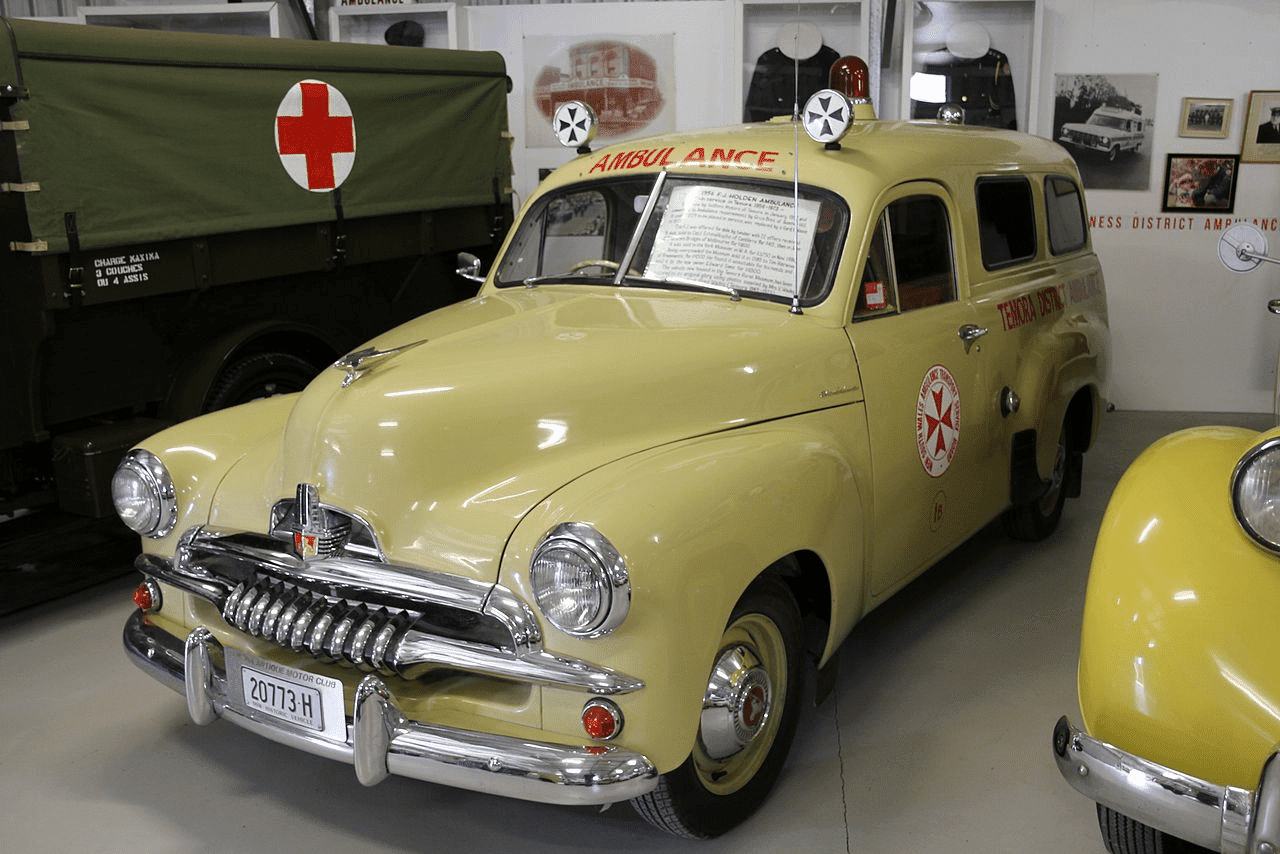
In 1948, the creation of the National Health Service (NHS) in the UK marked a pivotal moment, with the ambulance service integrated from the start. This was a crucial step in establishing new standards for medical care, including emergency response. The focus shifted to the speed of patient transport and providing on-the-spot emergency aid. As one of the pioneers of emergency medical services, Sir James Cantlie, argued: “In civilian life, as in war, the most important thing is what is done for the patient in the first half-hour after an accident or injury, upon which the whole future of the person’s life may depend.”
From the mid-20th century, the modern ambulance service in Edinburgh and across Scotland began to form intensively. It became clear that a well-designed road network was essential for a coordinated service. Even with the most advanced vehicles and equipment, response times remained poor without well-planned infrastructure. Over the following decades, many road layouts were redesigned to simplify and speed up the movement of specialised transport. A major focus in Scotland was placed on forming specialised crews and using modern technology for emergency response.
Modern Challenges and Innovations
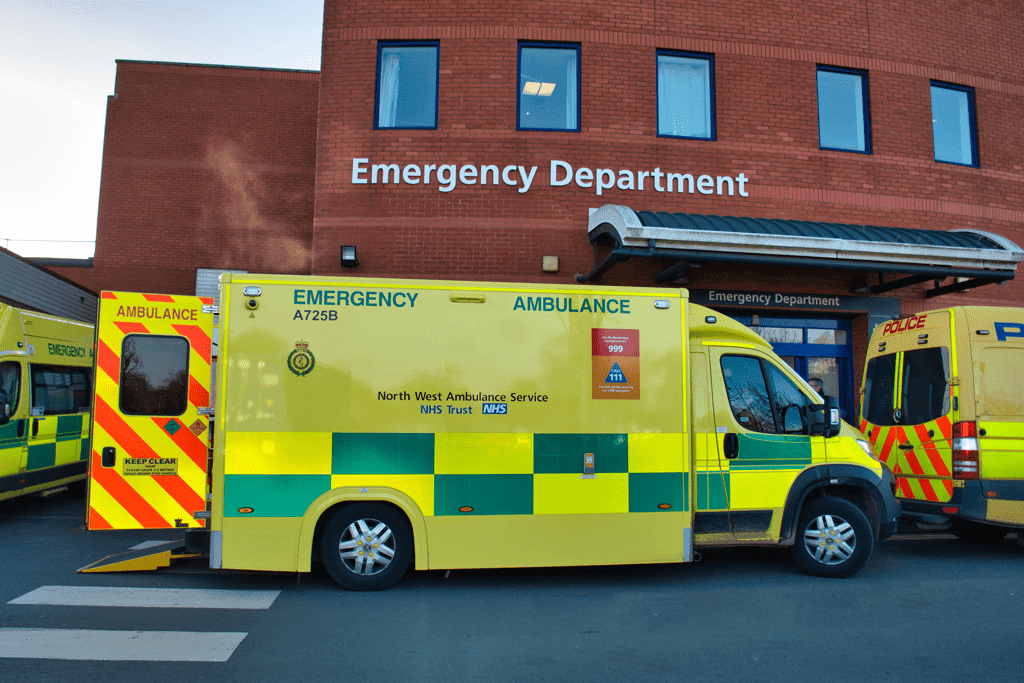
In recent years, the ambulance service in Edinburgh has continued to evolve, embracing new technologies and adapting to new medical challenges. On 1st April 1999, the modern Scottish Ambulance Service was established as a unified body. Today, it stands as one of the largest emergency medical providers in the entire UK. The service employs over 5,000 staff who handle more than 800,000 emergency calls annually.
The main ambulance control centres in Scotland are in Edinburgh and Glasgow, from where smaller units in towns and rural areas are coordinated. The service is free at the point of use and widely relied upon by the public. The emergency response workforce includes around 1,300 paramedics and another 1,200 technicians who manage the “999” emergency call service. The speed of dispatch depends on the patient’s needs. A resuscitation team can be deployed in minutes, while double-crewed ambulances or a single paramedic in a car may arrive within 20-30 minutes of a call.
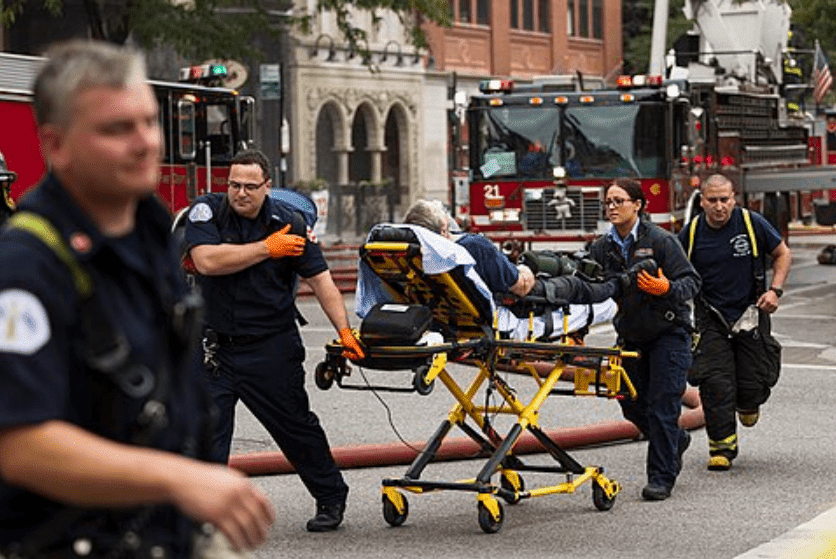
The Scottish Ambulance Service also has vital partners: volunteer and charitable organisations that provide first response and rapid patient transport. For instance, Medic One and BASICS Scotland have been collaborating with the state ambulance service since the 1980s. Remarkably, these charities are staffed by doctors, nurses, and paramedics who voluntarily dedicate their free time to saving the sick and injured. They operate on behalf of the ambulance service, using equipment either provided by the service or purchased with their own funds. These volunteer teams can often provide highly specialised emergency care, such as procedural sedation, advanced analgesia, endotracheal intubation, and cardioversion.
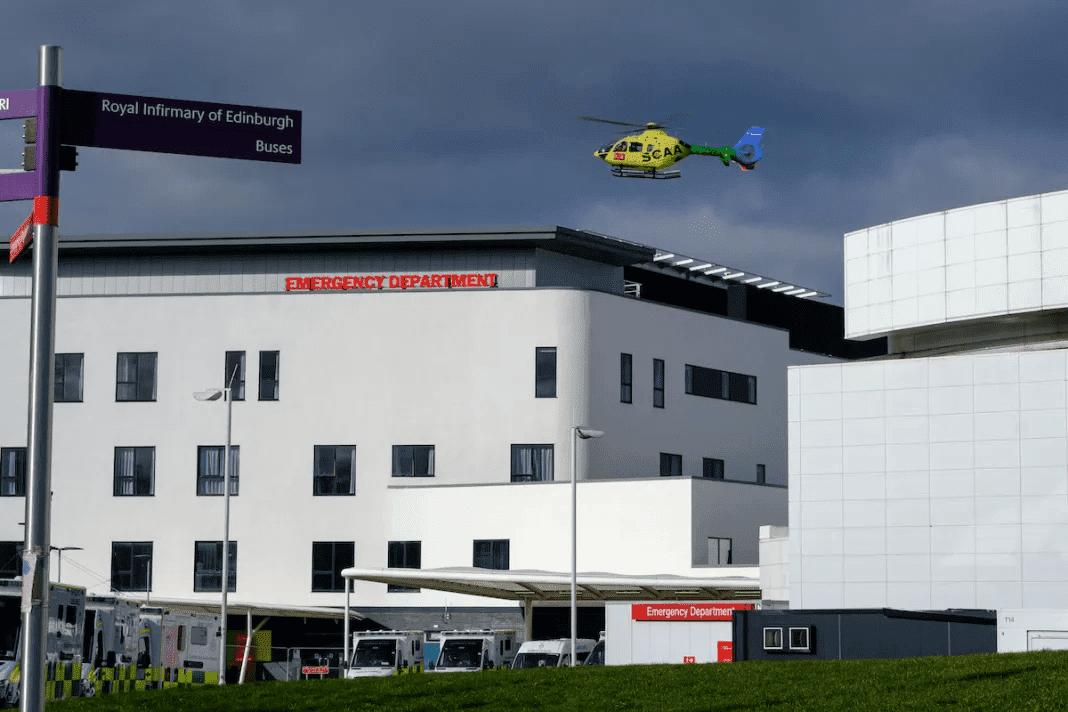
Furthermore, a dedicated helipad was built at the Royal Infirmary of Edinburgh specifically for the air ambulance. This unique unit allows patients to be transported directly to the hospital from remote or hard-to-reach locations.
The ambulance service in Edinburgh is not resting on its laurels. It constantly invests in staff training and fleet modernisation. It’s sometimes worth reflecting on this history, especially when waiting for an ambulance for more than five minutes. In the past, help might never have arrived at all. It’s a reminder to value the efforts of our medical professionals, who often work around the clock, and to be grateful for their tireless dedication.