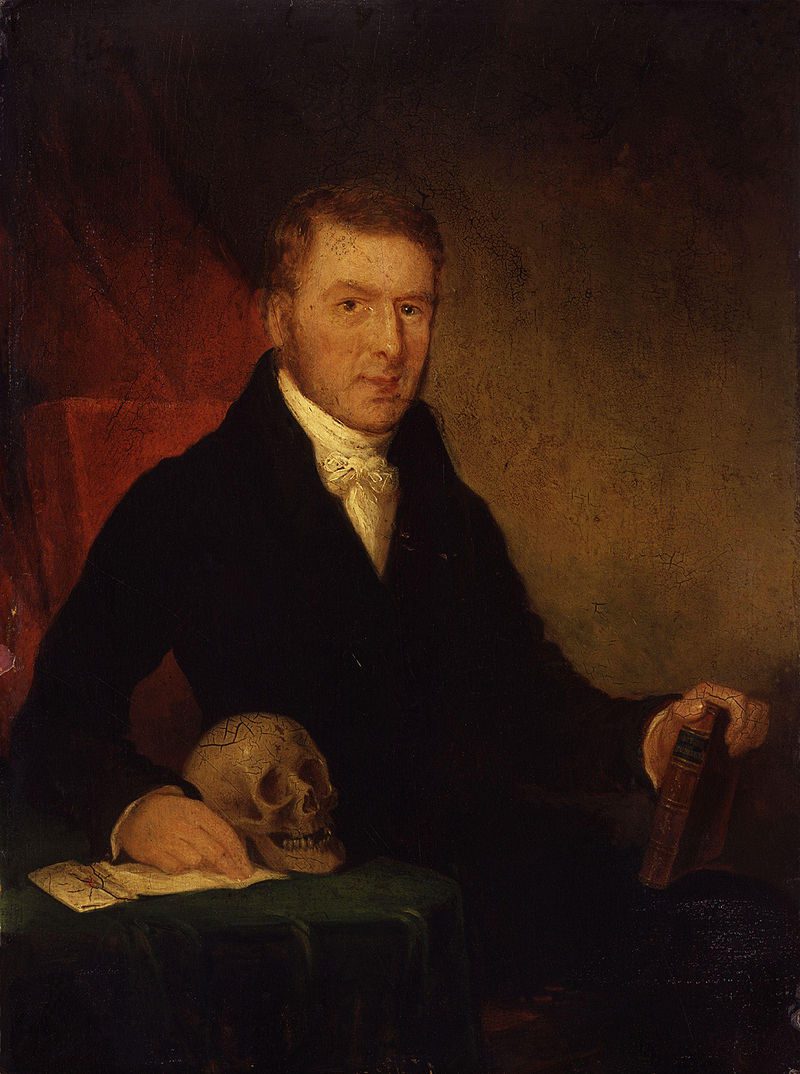

Edinburgh is among those cities where science has flourished exceptionally well—something that has been true for centuries. To confirm this, one need only delve into the history of the University of Edinburgh. Gifted minds, remarkable discoveries, and continual progress—these words succinctly describe the scientific spirit of this remarkable city. More details on iedinburgh.
If we speak specifically about the fields of science that have received the most recognition in Edinburgh, medicine undoubtedly stands out. It seems that this discipline has broken all records regarding the sheer number of gifted individuals. The discoveries made by Edinburgh’s doctors have been impressive and continue to inspire genuine admiration today. The textbooks and monographs published by these exceptional individuals later became definitive scientific works. No one ever doubted their value or validity, as the content clearly demonstrated a high level of expertise and mastery.
Among Edinburgh’s most outstanding medical professionals, John Bell deserves special recognition. He achieved fame as a Scottish anatomist and surgeon. To some extent, he even went against the system to draw attention to science and its incredible potential.
Early Years
John was born in Edinburgh on May 12, 1763. After completing his education, Bell seriously considered what to do next. Eventually, he decided to open an anatomical lecture theatre at Surgeons’ Square. This move was a real sensation and something truly extraordinary, as John’s teaching style was far from conservative, and his lectures attracted a wide audience.
Nevertheless, his dream became reality, and in 1790, the lecture theatre was finally opened.
A Valuable Publication
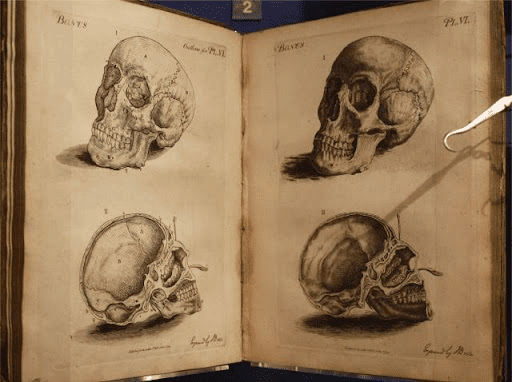
Later, Bell published a work titled Discourses on the Nature and Cure of Wounds. Following these early yet successful career steps, John began to be recognized as the founder of surgical treatment of the vascular system.
Courage, Compassion, and Talent
In describing Bell’s character, it’s important to highlight that he was a deeply empathetic individual. This trait caused him to make numerous enemies.
The reason was that he openly spoke out about the problem of incompetent surgeons in Scotland. He wasn’t afraid to state publicly that these “professionals” inflicted unnecessary suffering and pain upon their patients.
In addition, in 1800, Bell found himself at the centre of a conflict with Edinburgh professor James Gregory.
Gregory had begun criticizing the existing system, which allowed fellows of the Royal College of Surgeons of Edinburgh to practice surgery at the Royal Infirmary. Gregory’s actions led to the exclusion of many young surgeons.
Of course, Bell was among those excluded.
But he didn’t lose hope. Instead, he wrote the Answer for the Junior Members, and ten years later published a collection called Letters on Professional Character and Manners, dedicated directly to Gregory.
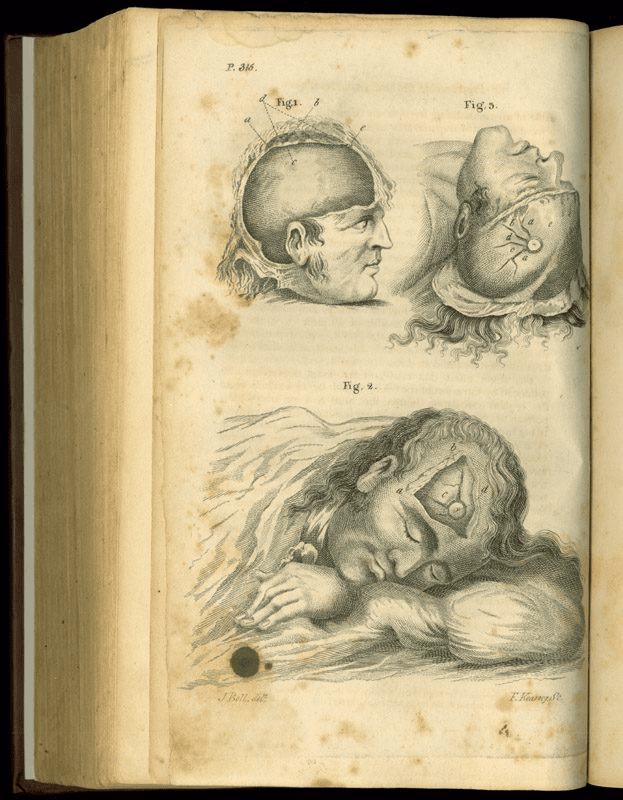
Moreover, among Bell’s most valuable works are Principles of Surgery, Anatomy of the Human Body, and Observations on Italy. All these writings later became significant legacies of medical science. These publications contained such essential knowledge that multiple generations of medical professionals turned to them repeatedly.
Continuing His Path
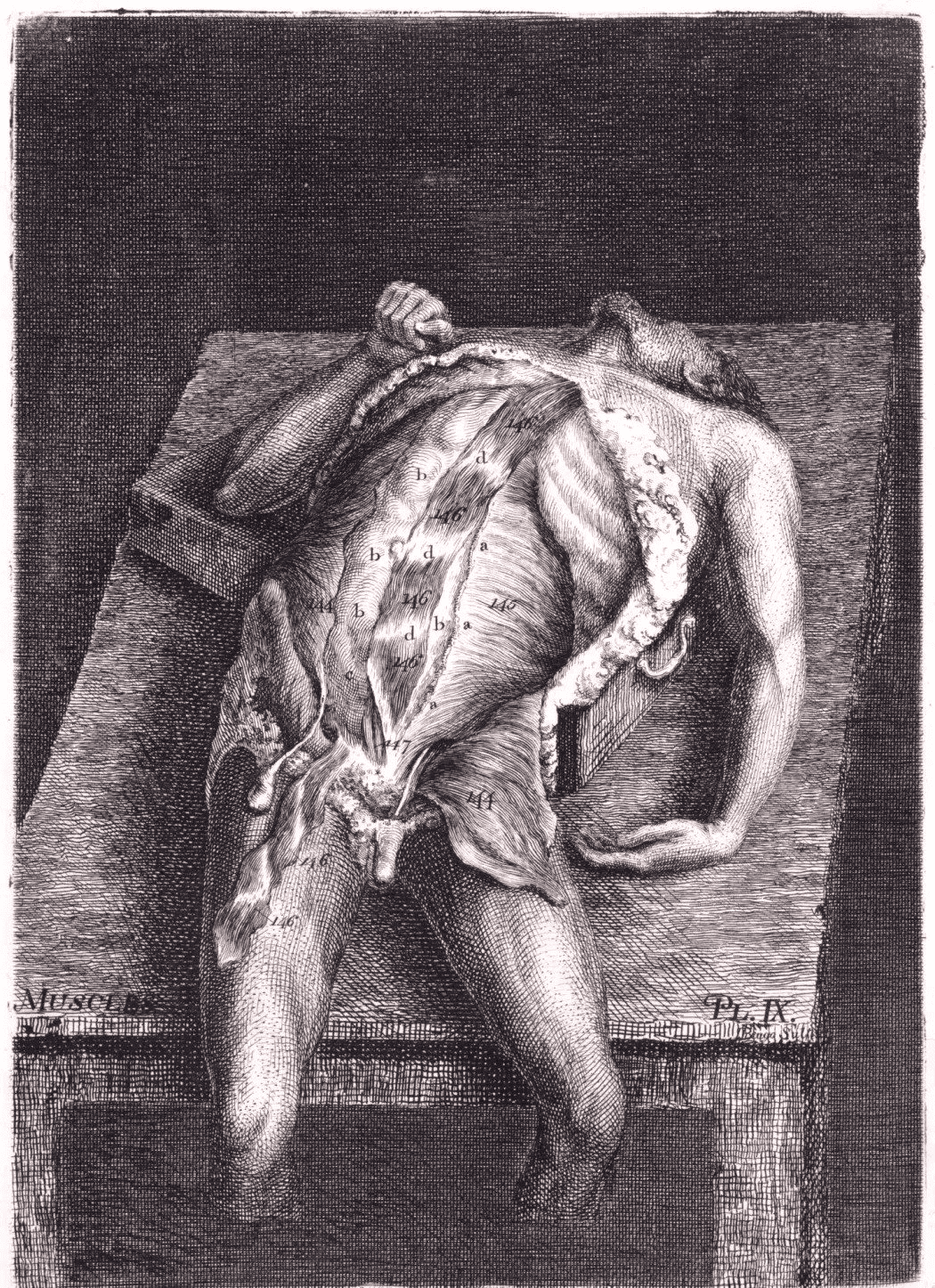
After his exclusion, John stopped giving lectures and instead focused more on teaching privately and medical practice.
However, the biography of this extraordinary man includes another noteworthy detail. In addition to his medical talent, Bell was also artistically gifted.
Indeed, he was among the very few doctors who illustrated their own works.
A Sudden End
Sadly, an accident severely worsened Bell’s health. In 1816, he sustained severe injuries after falling from a horse.
In the following year, 1817, he travelled to Italy in an attempt to improve his health. Unfortunately, all his efforts were in vain, and on April 15, 1820, in Rome, the talented doctor passed away.
Thus, John Bell is considered one of the most prominent representatives of Edinburgh’s old medical school. Interestingly, many of his principles and ideas were viewed at that time as overly progressive and even revolutionary. Likely, this is why his lectures provoked mixed reactions. Nevertheless, he persisted in pursuing what he loved.
Perhaps this persistence is exactly the trait necessary in every gifted individual. After all, extraordinary and talented people are often disliked simply because they stand out from the crowd and possess exceptional abilities. Such individuals must learn to distance themselves from unfair criticism and fully dedicate themselves to education and self-improvement. Success will undoubtedly follow, as fortune favours the brave.
Indeed, John Bell’s life path is a perfect example of this truth. For that reason, he is a figure worth presenting as a role model, even for our contemporaries.