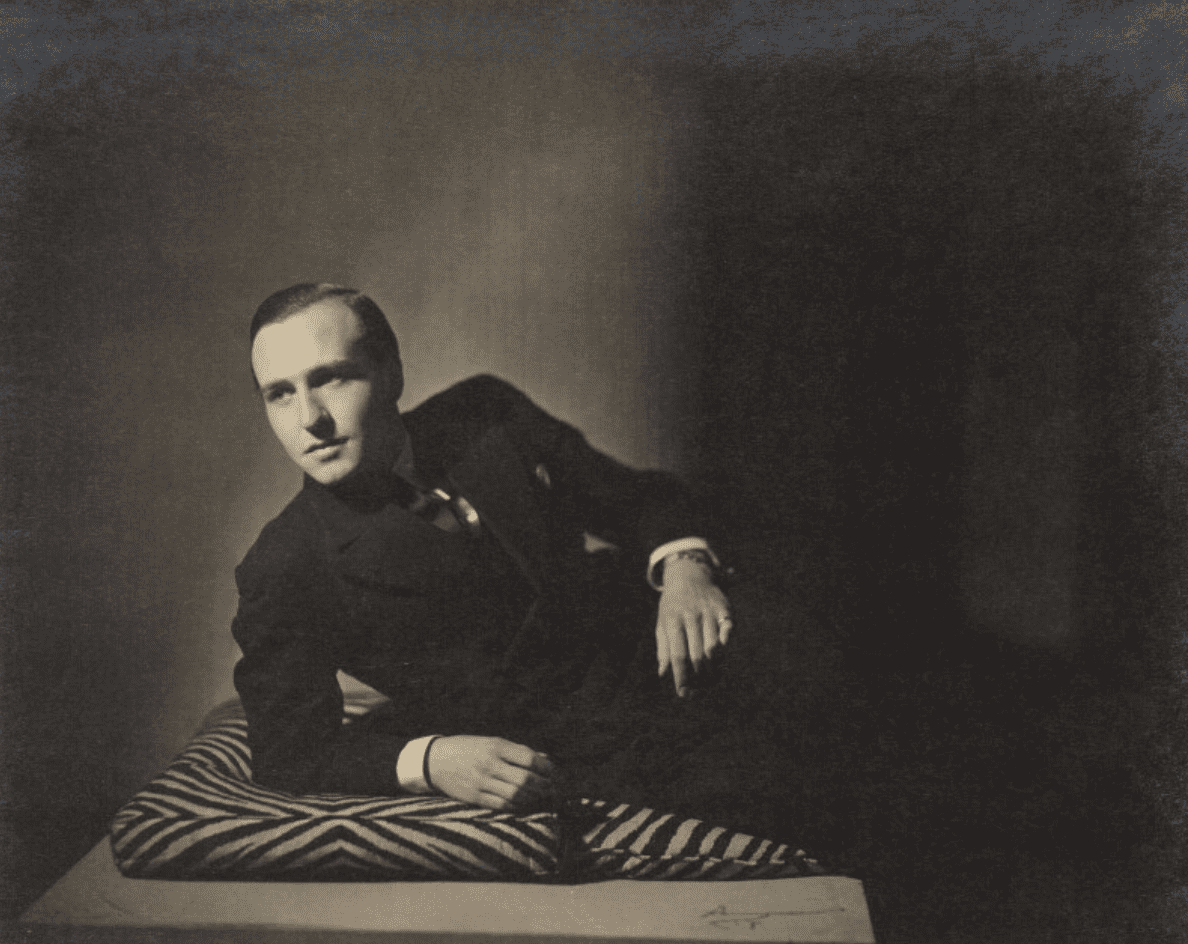

The history of music is often like a grand orchestra where not all instruments are heard equally. Some, like the brass section, play loudly, filling the stage with their presence. Others remain in the background, providing the steady rhythm of the overall melody. Ronald Kinloch Anderson was one of these “quiet” masters. A Scottish teacher, harpsichordist, and producer, his name may not be found among the headliners of major concert halls or sensational composers, yet his work shaped the sound of an entire generation of musicians.
This article aims to offer a new interpretation of the musician’s cultural significance within the context of 20th-century British art. We will analyse his contribution to the development of harpsichord performance, chamber music, and studio recording.
The Making of a Talent
Ronald Anderson’s journey to the heights of the musical world began in Edinburgh, where he was born in 1911. From an early age, his life was marked by an exceptional curiosity for the world of music, which found its professional direction under the tutelage of Donald Tovey. Studying with this distinguished theorist provided the bright young man with a solid foundation for his future career.
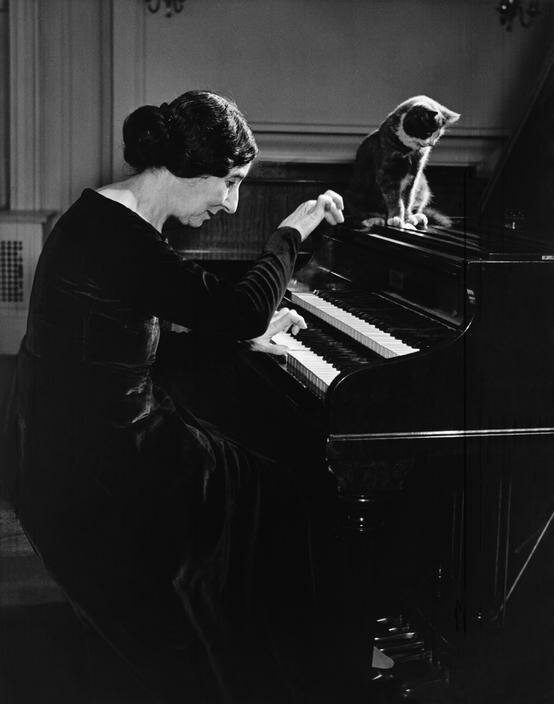
After receiving the prestigious Caird Scholarship, Anderson broadened his educational horizons by continuing his studies at the Royal College of Music. There, he was mentored by such luminaries of the British stage as Malcolm Sargent, who taught him the fundamentals of conducting, and Herbert Howells, who introduced him to the secrets of composition. At the same time, he took private lessons with the pianist Harold Craxton to hone his performance skills. However, it was his time in Europe that provided a true intellectual breakthrough. In 1933, he joined Clemens Krauss’s conducting class in Salzburg, and later visited Berlin. There, he had the unique opportunity to learn piano from the legendary Edwin Fischer and to master the baroque elegance of the harpsichord under the guidance of the great Wanda Landowska herself.
A Role as Mentor
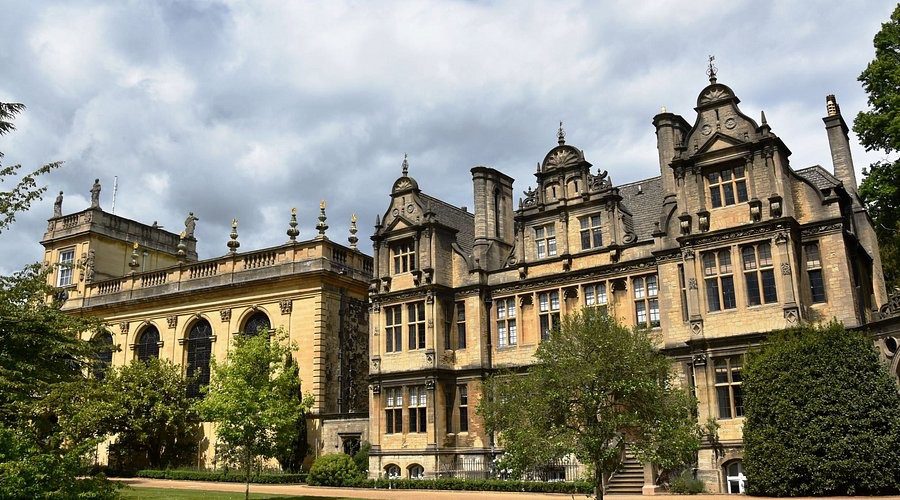
The post-war period opened a new chapter in Ronald Kinloch’s life. In 1946, he took up a teaching position at the prestigious Trinity College of Music. Over the next seventeen years, he dedicated himself to pedagogy, influencing an entire generation. His approach was far from dry academicism. Anderson did not merely teach the rules of solfège; he shared a deep understanding of musical interpretation, the philosophy of sound, and the nuances of group performance. Sources also show that the Edinburgh native encouraged students to immerse themselves in the historical context of works, analyse stylistic phrasing, and seek the aesthetic truth that lies behind the musical score.
Meanwhile, his artistic activities were taking on different forms. Between 1957 and 1963, he performed as a harpsichordist with Yehudi Menuhin’s Festival Orchestra. His participation in the Bath Festival Orchestra, with whom Anderson gave a concert at the famous Royal Festival Hall, solidified his reputation as a fine exponent of ensemble playing.
In parallel, the ‘Athens of the North’ native began to explore another facet of the music industry, collaborating with the leading record label EMI. This experience proved so successful that, after 1963, he left teaching altogether to take up a permanent position at the company.
His Legacy
Although Ronald is primarily remembered as a performer, his creative nature found an outlet in his own compositions. His surviving works, “Cotswold Love” and “A Mile an’ a Bittock,” are not large-scale symphonic pieces but rather intimate sketches. Yet, it is through them that we see Anderson’s signature style: his ability to blend historical awareness with a modern sensibility, all while avoiding unwelcome dogmatism.