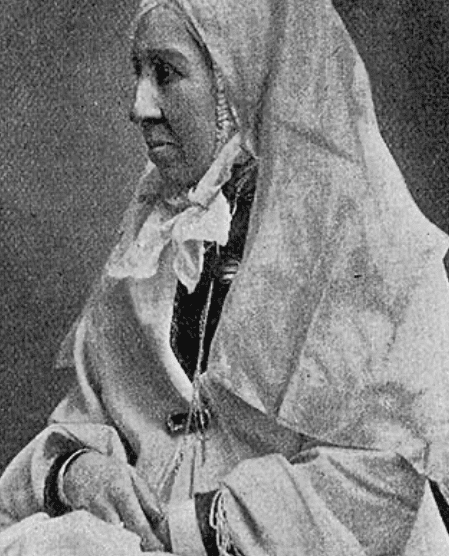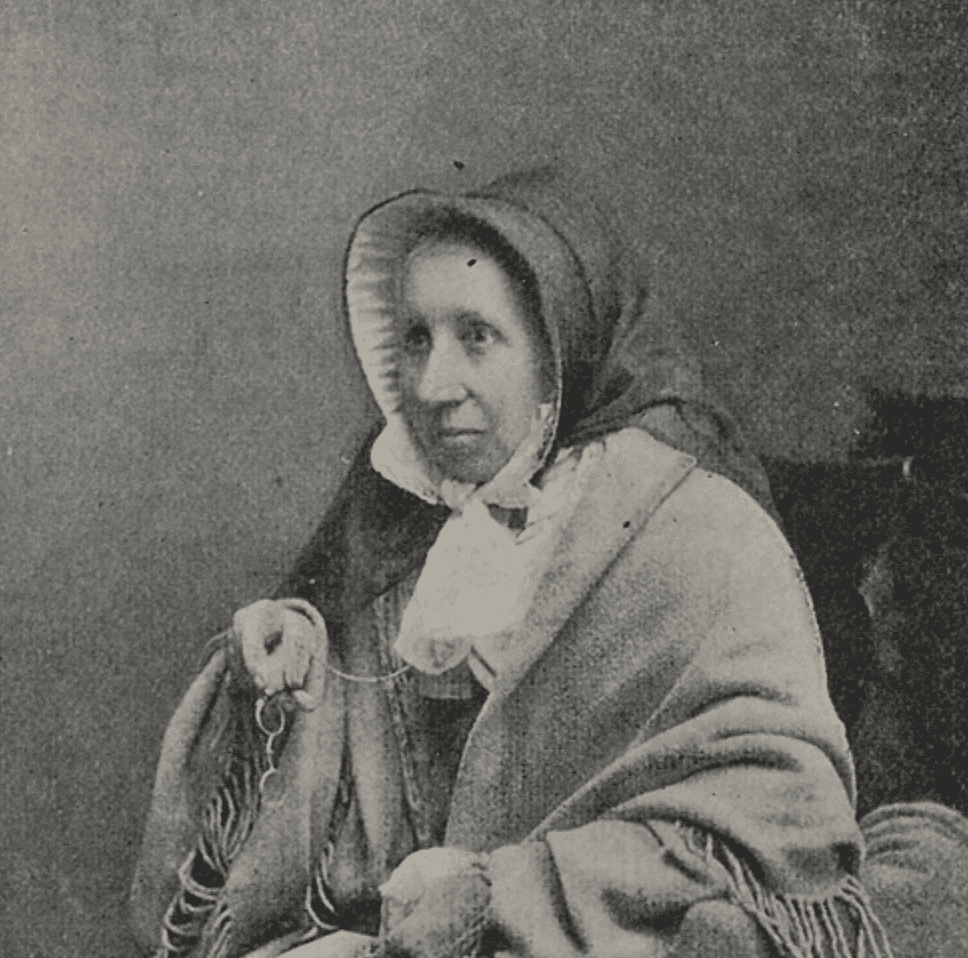

Her name may not be a household name among the philosophers and statesmen of the 19th century, yet she was the one who managed to change the rules of the game in a society where social standing was valued above all else. Mary Burton never sought fame. She had a far more important goal: the recognition of human dignity, regardless of gender. She lived in an era when women were expected to remain silent in meetings, stay away from politics, and quietly observe from the sidelines. But she held onto the hope that justice would one day cease to be determined by gender. Read more on iedinburgh.
This article aims to explore the arduous journey of this educator, reformer, and philanthropist—an individual whose contributions have often been unjustly overlooked in historical records. We will examine her origins, the development of her convictions, her work in education, and her courageous fight for suffrage.
The Birth of a Defiant Spirit
Mary Hill Burton was born in 1819 in Aberdeen. Her childhood was marked by hardship from the beginning. Her father, William Kinninmont Burton, an officer in the fusiliers, passed away shortly after his daughter’s birth. This early loss left her mother, Elizabeth Paton, a widow. Mary grew up alongside her brother, John, who would later become a renowned Scottish historian and lawyer. It was his career ambitions that shaped the family’s future: in 1832, they moved to Edinburgh.
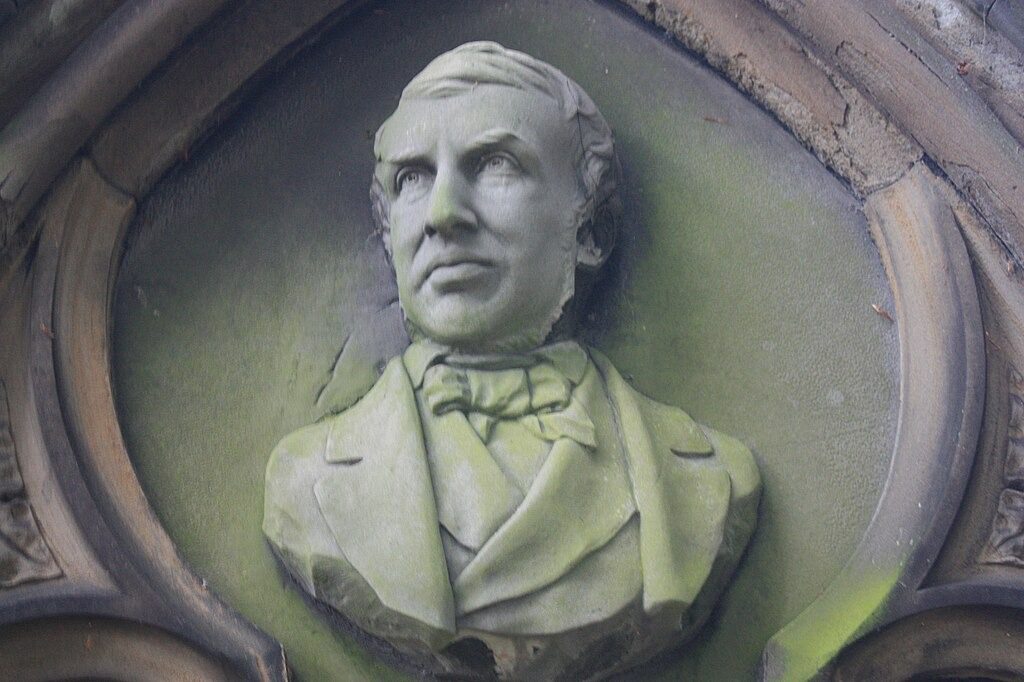
Remarkably few records of the activist’s early years have survived. The archivists of the time did not consider it necessary to document the lives of women. Deprived of the formal education available to men, she instead cultivated far more valuable traits: a sharp, independent mind and a deeply ingrained sense of justice. Observing the limitations imposed by the patriarchal world, the young Edinburgh resident came to understand the precariousness of a woman’s position in society.
Economic Independence as a Tool for Change
In a society where marriage was considered a woman’s primary destiny, Mary Burton chose a radically different path—one of complete autonomy. She never married, consciously rejecting a life of dependence on a husband’s privileges. The foundation of this freedom was her remarkable financial independence, achieved through astute business sense. The educationalist owned several properties in Edinburgh, and the rental income allowed her to manage her own time freely.
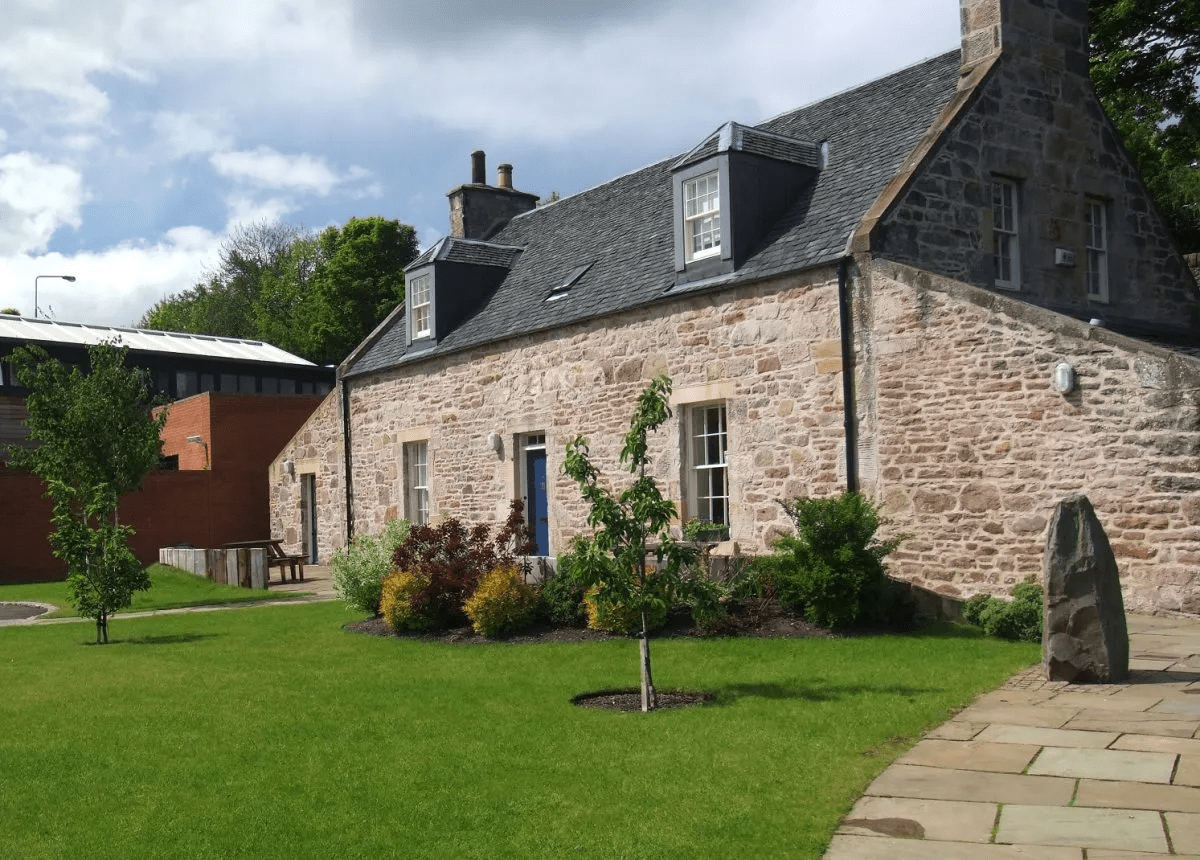
Her approach to property was inextricably linked to her social convictions. In 1844, she purchased Liberton Bank House, which would be her home for nearly fifty years, until 1898. She maintained her other properties to a high standard, renting them out to those in need of decent housing.
The Campaign Unfolds
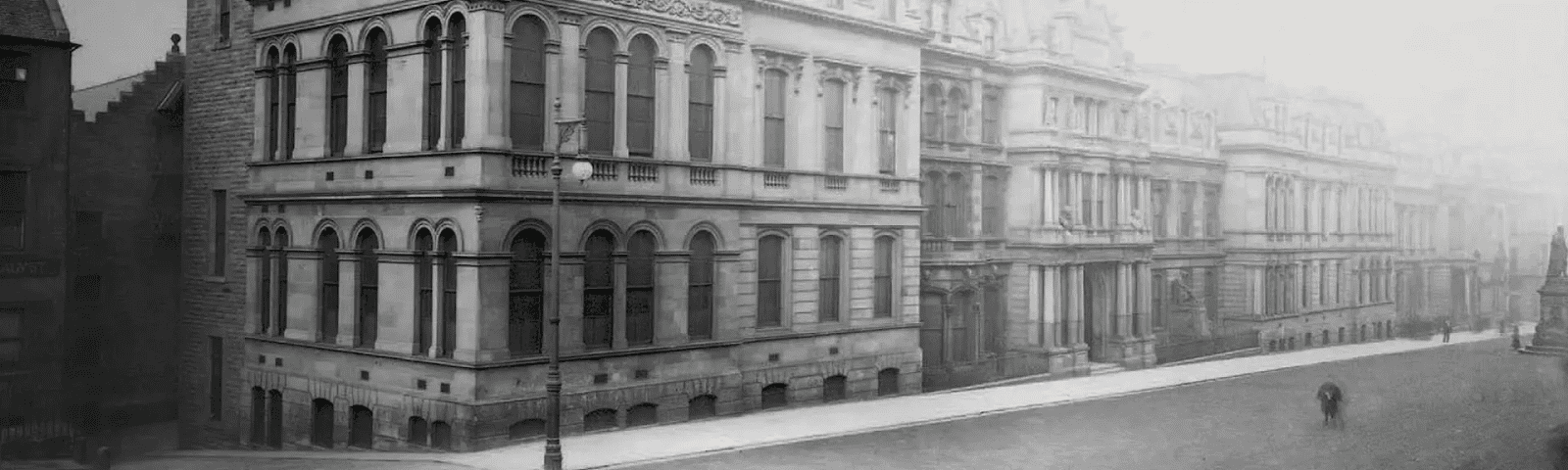
With her financial stability providing a secure foundation, Mary Burton directed her energy towards the most important battle: educational equality. Her first major triumph, which forever inscribed her name in the history of the Scottish elite, was opening the doors of the Watt Institution (the future Heriot-Watt University) to girls. As early as 1869, long before any legal mandate, she succeeded in securing equal admission for female students.
However, it was well understood that gaining knowledge was only half the battle. Without a political voice, women remained disenfranchised. Therefore, the fight for education went hand-in-hand with active suffragism. In 1868, she filed a legal claim demanding the right to be registered to vote. As the judiciary was composed entirely of men, the case was unsuccessful. Nevertheless, it served as a powerful public declaration that women were legitimate political actors. The ‘Athens of the North’ resident continued her work by supporting the National Society for Women’s Suffrage.
Later, Mary became one of the first women elected to the Edinburgh School Board. There, she pushed for pupils to learn practical life skills alongside traditional academic subjects. As a member of the St Cuthbert’s Parochial Board, she was involved in social welfare, helping the poor and petitioning for the implementation of free schooling.
The Pinnacle of Influence
The culmination of her long struggle can be seen in her appointment as the first woman governor of Heriot-Watt College in its history. By joining the institution’s board of governors, Mary gained the ability to directly shape its policy. Under her firm guidance, the college was transformed into a genuine centre for the support of female education, with special awards and initiatives introduced to encourage female students.
Furthermore, she was active in literary societies, serving, for instance, in the Watt Literary Association. Throughout her life, the reformer was a passionate advocate for equality, investing in the development of evening classes and encouraging learning among adults who were long past the traditional student age. This devotion to her ideals was reflected in her will. Ms Burton bequeathed £100 for prizes “for deserving students, regardless of age or sex,” and another £100 to the Edinburgh National Society for Women’s Suffrage.