
Scotland is renowned for its impressive and functional infrastructure, a fact that strikes anyone who has visited. However, many of these facilities have a long and storied past; they certainly weren’t built just a few years ago. More at iedinburgh.
When it comes to the scale of infrastructure, airports are clear leaders. These are intricate facilities, comprising a vast array of buildings and structures.
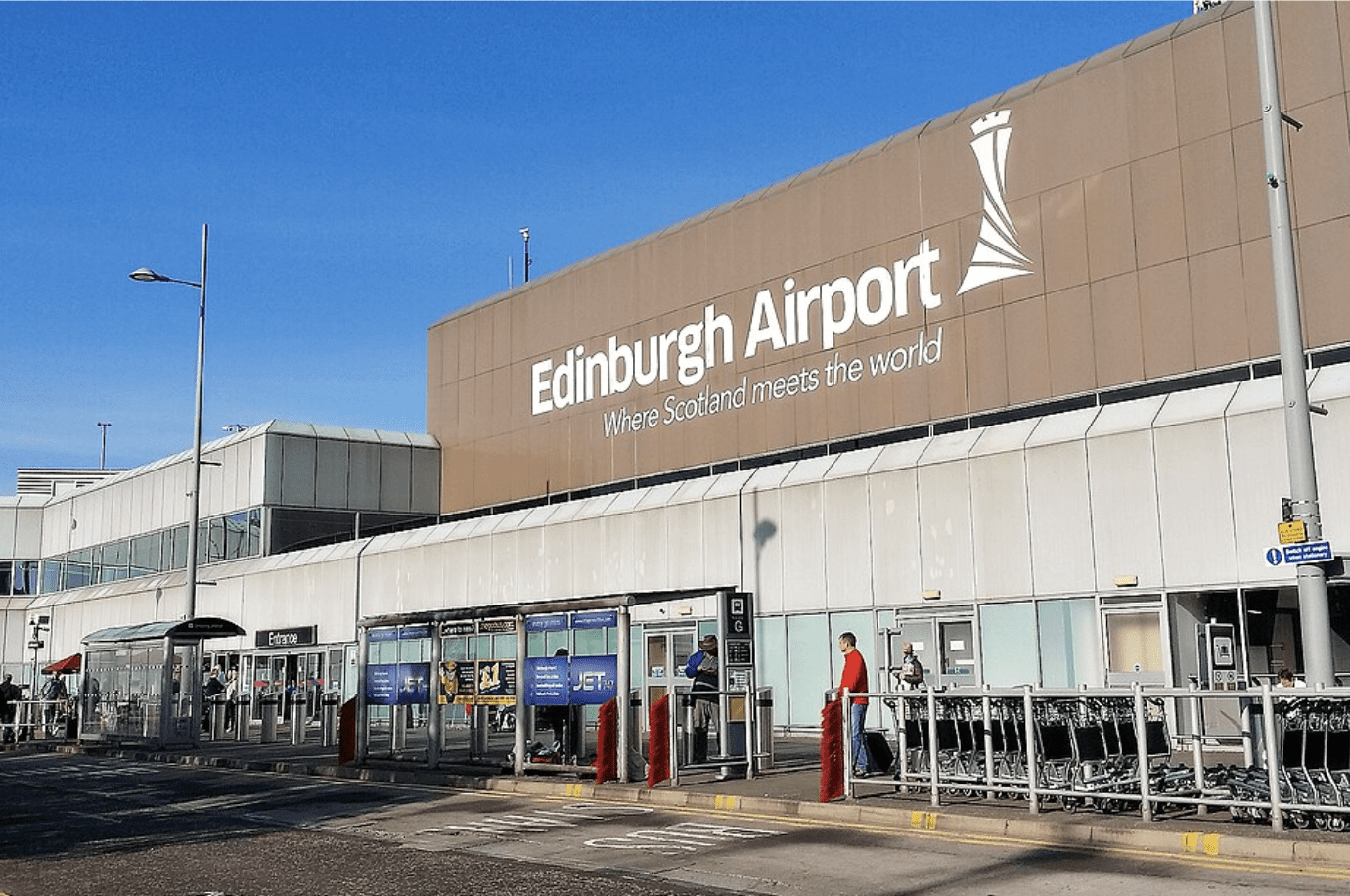
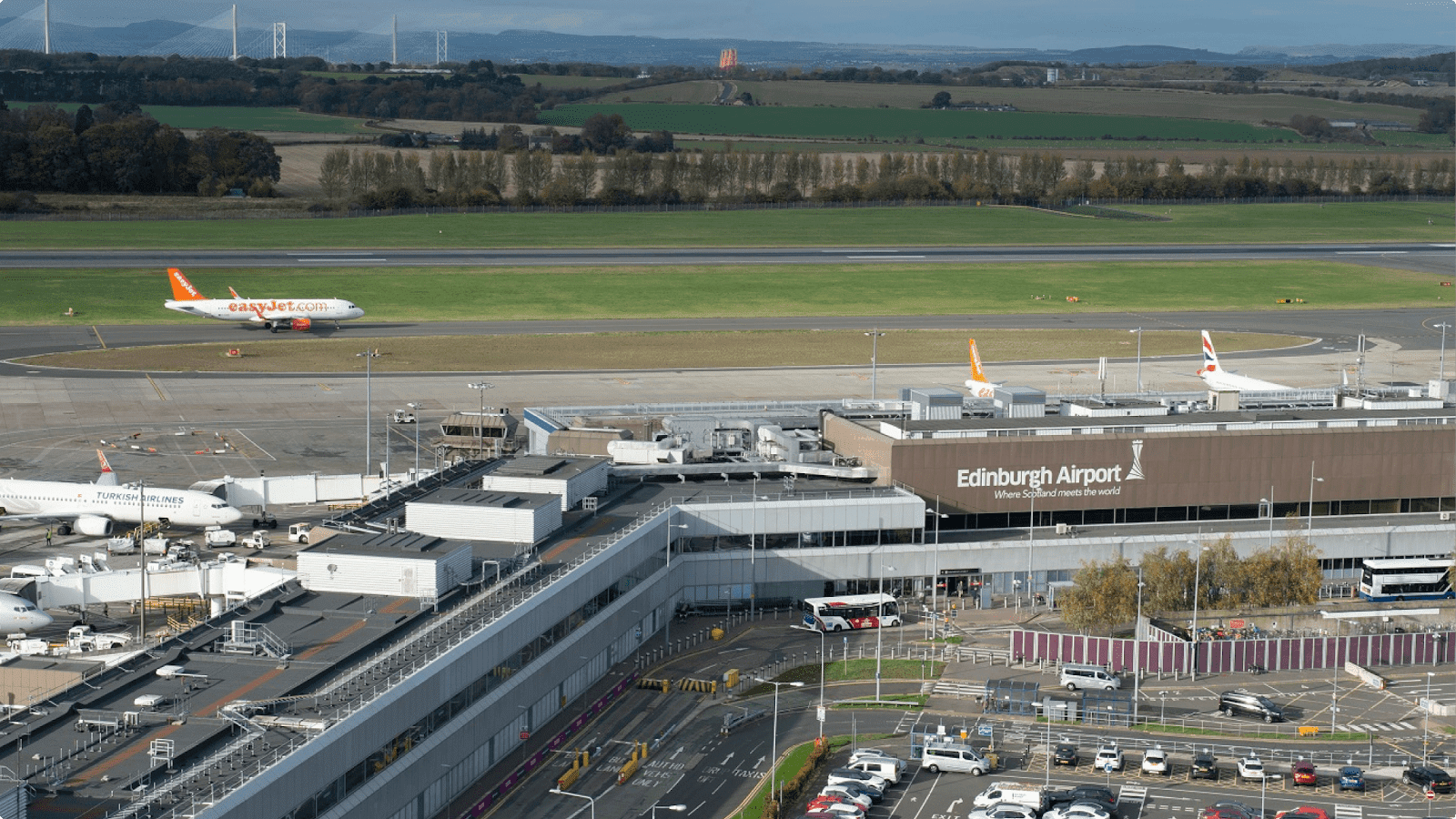
Edinburgh Airport is a fascinating example, not just from an architectural and engineering perspective. Its rich history is worthy of a book in its own right, or at least a dedicated article.
Scotland’s Busiest Airport
Edinburgh Airport is an international airport located in the Ingliston area of the city. It holds the title of Scotland’s busiest airport by passenger numbers.
In 2023, the airport handled nearly fourteen and a half million passengers, a figure representing a 28% increase on 2022.
But as mentioned earlier, the airport has a unique history, which we will now explore.
The Early Years
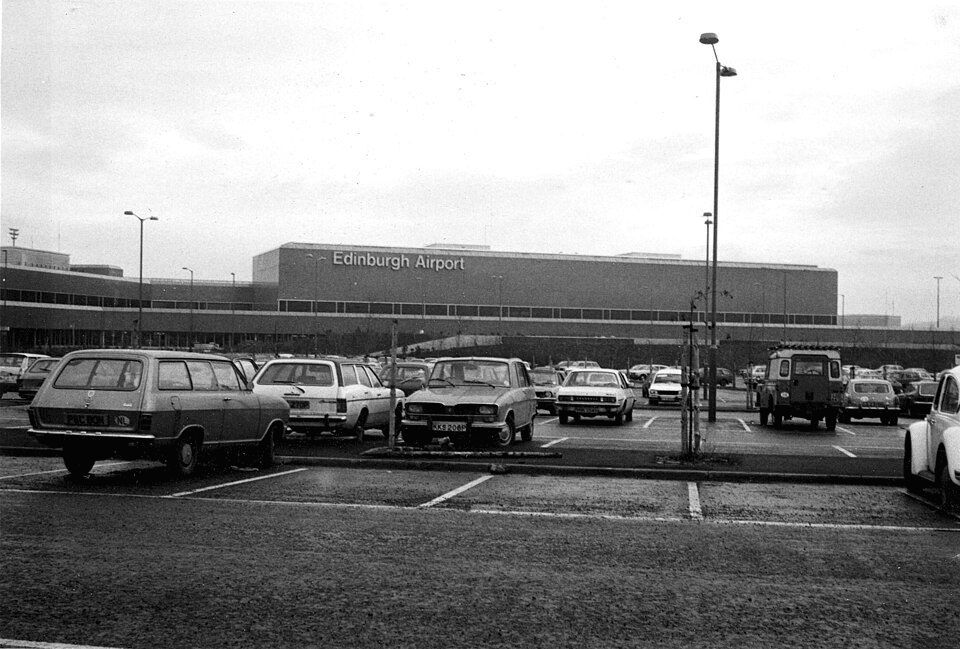
The origins of Edinburgh Airport trace back to Turnhouse Aerodrome. During the First World War, it served as the primary northern British base for the Royal Flying Corps.
The small base opened in 1916, and from 1925, it became home to the 603 (City of Edinburgh) Squadron. At the time, all aircraft operated from a simple grass airstrip.
Following the formation of the Royal Air Force (RAF) in 1918, the aerodrome was renamed RAF Turnhouse.
After the outbreak of the Second World War, Fighter Command took control of the airfield. The runway was paved with asphalt to accommodate the Supermarine Spitfire.
Post-War Changes and Upgrades
After the Second World War ended, the airfield remained under military control. It wasn’t opened for commercial services until May 1947.
In 1952, the runway was extended to handle the de Havilland Vampire jets used by the 603 Squadron.
A new passenger terminal was built in 1956 to provide improved commercial services, and it was expanded five years later.
The 603 Squadron was disbanded in the spring of 1957, and three years later, ownership of the site was transferred to the Ministry of Aviation. This move was intended to improve commercial services further.
At that time, a decision was made to temporarily move flights to RAF East Fortune, where the runway was being extended to handle larger airliners.
A Complete Redesign
On 1 April 1971, control of the airport passed to the British Airports Authority (BAA). By then, the terminal was operating at eight times its design capacity and was at full stretch. While some improvements were made, they were largely cosmetic, such as installing extra seating and television monitors for flight information.
It soon became clear that a completely new terminal and a full runway redesign were necessary.
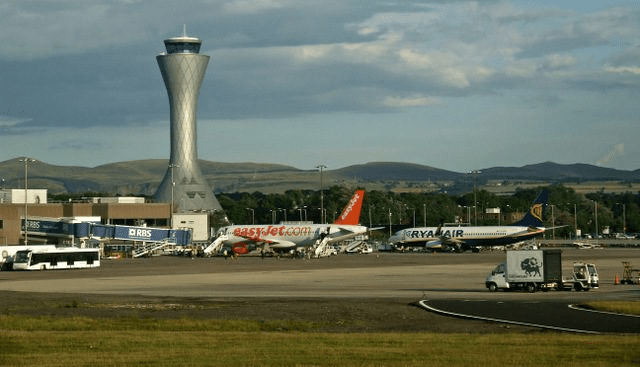
The reconstruction began in 1973, and the new terminal was officially opened in May 1977.
The Dawn of International Flights
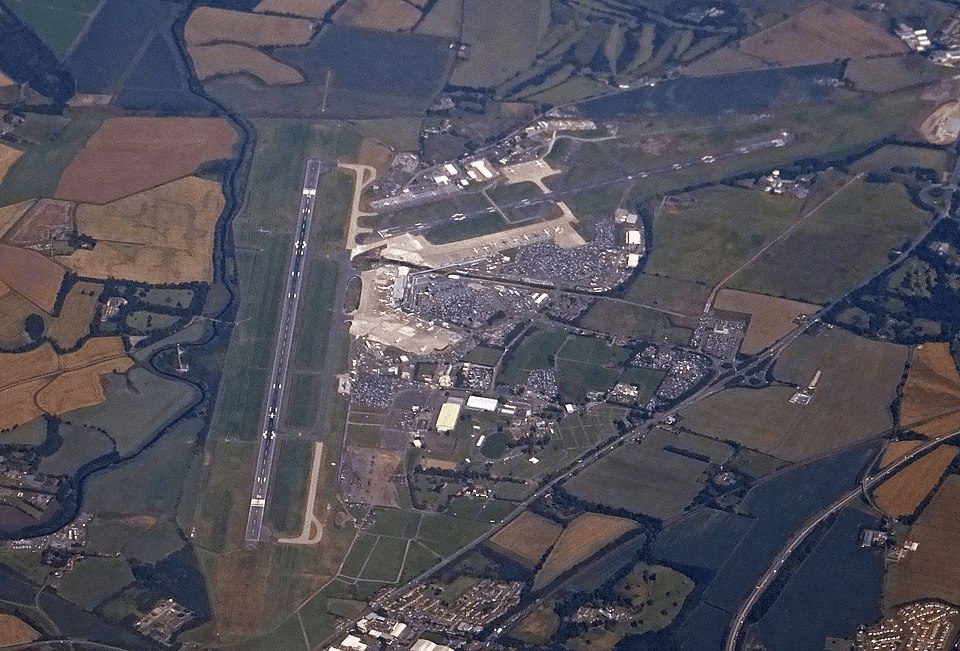
International services from Edinburgh began as early as 1962. For many years, however, these were mainly private and charter flights. This began to change towards the end of the 1970s, with the introduction of direct routes to continental Europe.
By the time the BAA was privatised, Edinburgh Airport was handling nearly two million passengers annually.
Further Developments
It is important to note that RAF Turnhouse continued to operate throughout the post-war period, finally closing in 1997.
Following the initial terminal modernisation in 1977, further major reconstructions took place. These included expanding the passenger terminal’s aprons and the car parking facilities.
Acquisition and a Multi-Million Pound Project
On 23 April 2012, Edinburgh Airport was sold to Global Infrastructure Partners (GIP).
The new owner announced plans in 2013 for a further expansion of the passenger terminal.
In 2014, the number of flights was reduced as airlines began using larger-capacity aircraft. In 2015, the airport set a new record, surpassing 11 million passengers for the first time.
The terminal expansion was successfully completed thanks to multi-million-pound investments. A project to construct a new building housing retail outlets was also brought to life.
The Share Deal
In April 2024, Global Infrastructure Partners and the French company VINCI signed an agreement for the sale of a majority stake in the airport. The deal was finalised in June 2024, resulting in GIP retaining a 49.99% stake, while VINCI acquired 50.01% of the airport’s shares.
Thus, Edinburgh Airport is more than just a critical piece of infrastructure. Its past can rightly be considered an integral part of the city’s rich history. The airport’s impressive throughput and performance figures are a testament to its high level of service and the use of cutting-edge engineering solutions. After all, how else could it serve millions of passengers year after year?