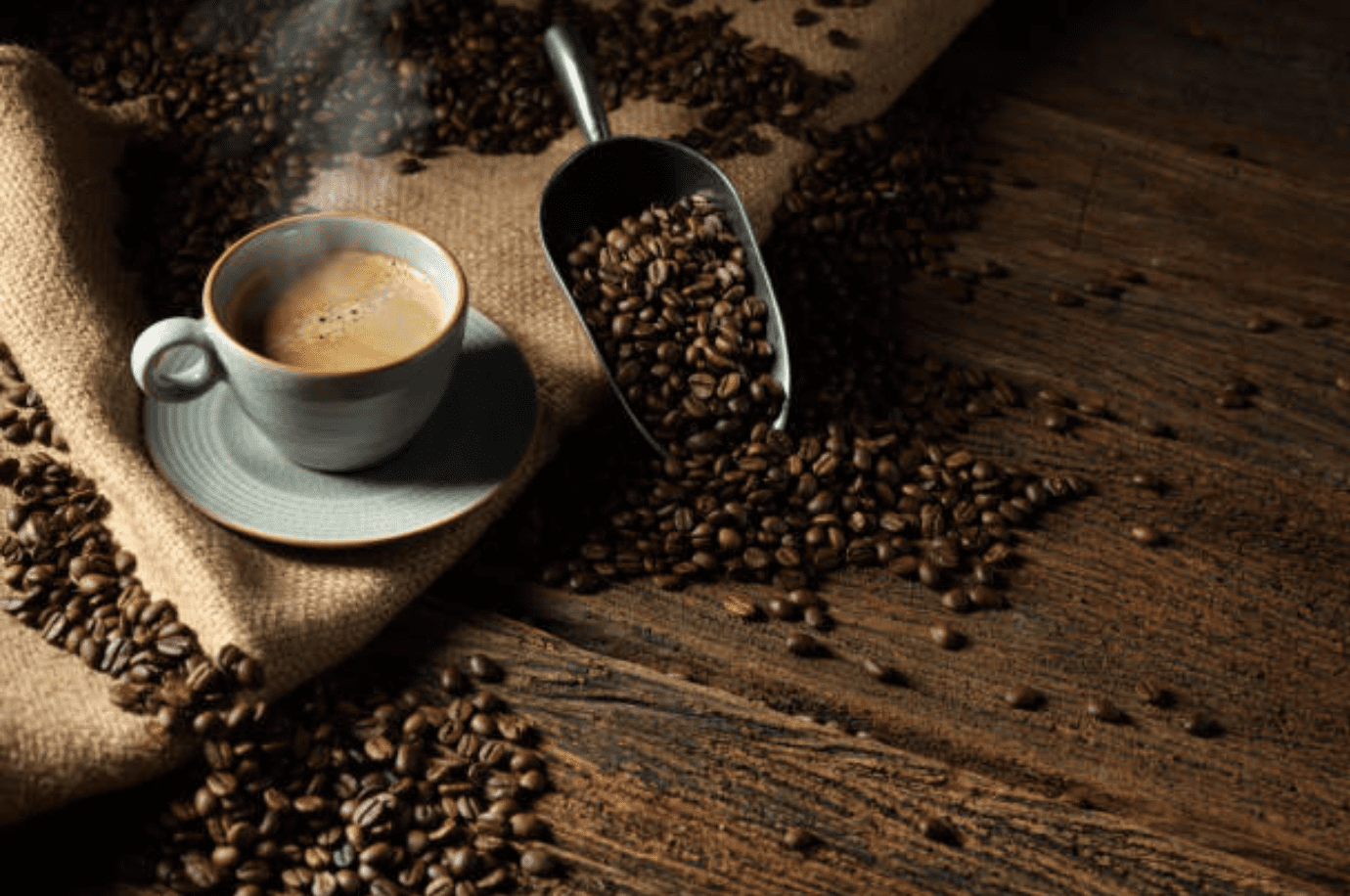

Coffee is rightly considered one of the most aromatic drinks in the world. It’s synonymous with the perfect start to the day – a time for leisurely planning, enjoying breakfast, and celebrating the morning with a fresh cup. It’s a ritual that anticipates good things to come. But coffee is also a steadfast companion for business meetings, catch-ups with friends, and cosy evenings. After all, treating oneself to a fragrant coffee is a wonderful way to unwind from the daily hustle and bustle. More at iedinburgh.
A Drink with a Rich History
But coffee is more than just its unique taste and unforgettable aroma. This beverage has a fascinating history that is sure to intrigue any true coffee aficionado.
The Coffee House: An Ambassador for a New Craze
In the story of British coffee, Scotland plays a leading role. The drink first appeared in Scotland before spreading throughout the rest of Britain by the mid-17th century. Naturally, like most imported goods, this aromatic beverage was initially a luxury only the wealthiest could afford.
However, coffee quickly became an integral part of Scottish public life. The most popular way to experience it was by visiting a coffee house. While London’s first such establishments appeared in 1652, they only began to open in Scotland in 1673.
Edinburgh’s First Coffee Houses
In Edinburgh, the city’s first coffee house was opened by a man named John’s Row. He chose to locate ‘Robertson’s Land’, as it was called, within a tenement building.
By the end of the 17th century, the popularity of coffee houses had soared. Interestingly, records from the period show that they were predominantly owned by women.
The Journey of the Bean: Importing Coffee to Edinburgh
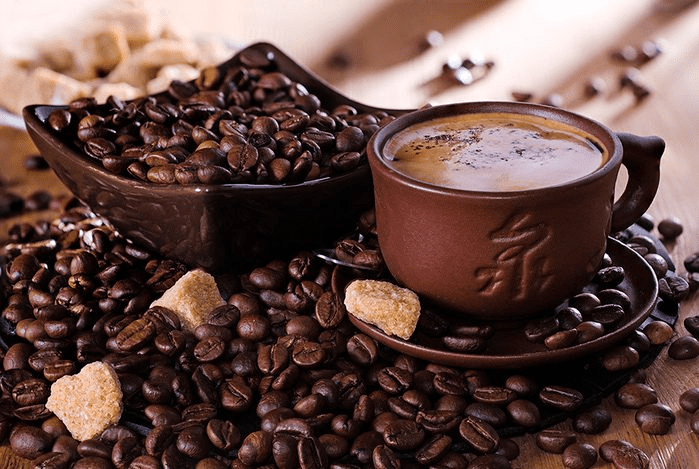
As mentioned, coffee was an imported product, and its arrival on the market caused a sensation, especially once people truly appreciated its benefits and unique flavour. Edinburgh had its own distinct supply routes for the coveted beans.
The product arrived in the city either via London or through the port of Leith, imported by merchants working for the British and Dutch East India Companies. Typically, the trade routes to Scotland passed through Dutch ports. The coffee itself originally came from Yemen and the city of Mocha – a name that was often used for the drink itself.
By the early 18th century, the Indonesian island of Java had also become a key supplier. To this day, the terms “Mocha” and “Java” are still sometimes used, demonstrating just how deeply these international coffee roots have assimilated into British culture.
Smuggling and Surcharges
It’s important to note that coffee was subject to the same heavy taxes as brandy, spices, and tea. Consequently, smuggling was rife as a way to get the product into Scotland. Counterfeiting was also common, as the coffee trade was incredibly profitable. Many merchants, keen to profit but unwilling to navigate the complexities of import, taxes, and duties, turned to these dishonest methods.
More Than a Drink: Coffee Houses as Business Hubs

In her article on coffee in Edinburgh, Janet Starkey explains that coffee houses frequently evolved into places for conducting all kinds of business. They often hosted auctions where one could buy anything from coffee and furniture to houses, horses, bank shares, and even ships. It became fashionable for merchants to do business in coffee houses, showcasing their imported goods to clients over a cup of coffee.
It is fair to say that coffee houses were effective business hubs, much like how taverns served as meeting points for lawyers, doctors, and their clients. These public spaces encouraged deal-making while patrons enjoyed aromatic coffee, gingerbread, and ale.
A Gentleman’s Brew

As coffee’s popularity grew, it became increasingly seen as a man’s drink. The patrons of coffee houses were overwhelmingly male. While women might indulge in a cup, they generally preferred to do so in the comfort of their own homes.
Overall, as people came to appreciate the taste of coffee, they began to favour it over ale or spirits. The reason was simple: one could drink several cups, continue to conduct business, and not risk becoming intoxicated.
Sedition and Scandal: The Darker Side of Coffee Houses
Returning to the coffee houses, it must be said that they were not always venues for respectable business meetings. Given that they were places where people exchanged money, ideas, and goods, discussions and debates often became heated.
Edinburgh’s first coffee house was shut down just four years after it opened. The reason? The Scottish Privy Council (an advisory body to the monarch) suspected the establishment was being used as a base for discussions that undermined the King’s authority.
Some of the city’s coffee houses were under constant surveillance, as they were notorious for brawls and prostitution.

Today, coffee is a familiar part of our daily routine, something many of us can’t imagine our day without. Yet, this product was once a true luxury, linked to grueling work on plantations and complex international trade routes.
So next time you savour a cup of aromatic coffee, remember that it’s not just a product, but a drink with real historical significance.